
Speech and Language Pathology in Southfield
Speech and language pathology helps people rebuild communication, and the thinking skills that support it, after a brain injury or other neurological condition. At Irvine Neuro Rehabilitation it is part of a multi-disciplinary team approach.
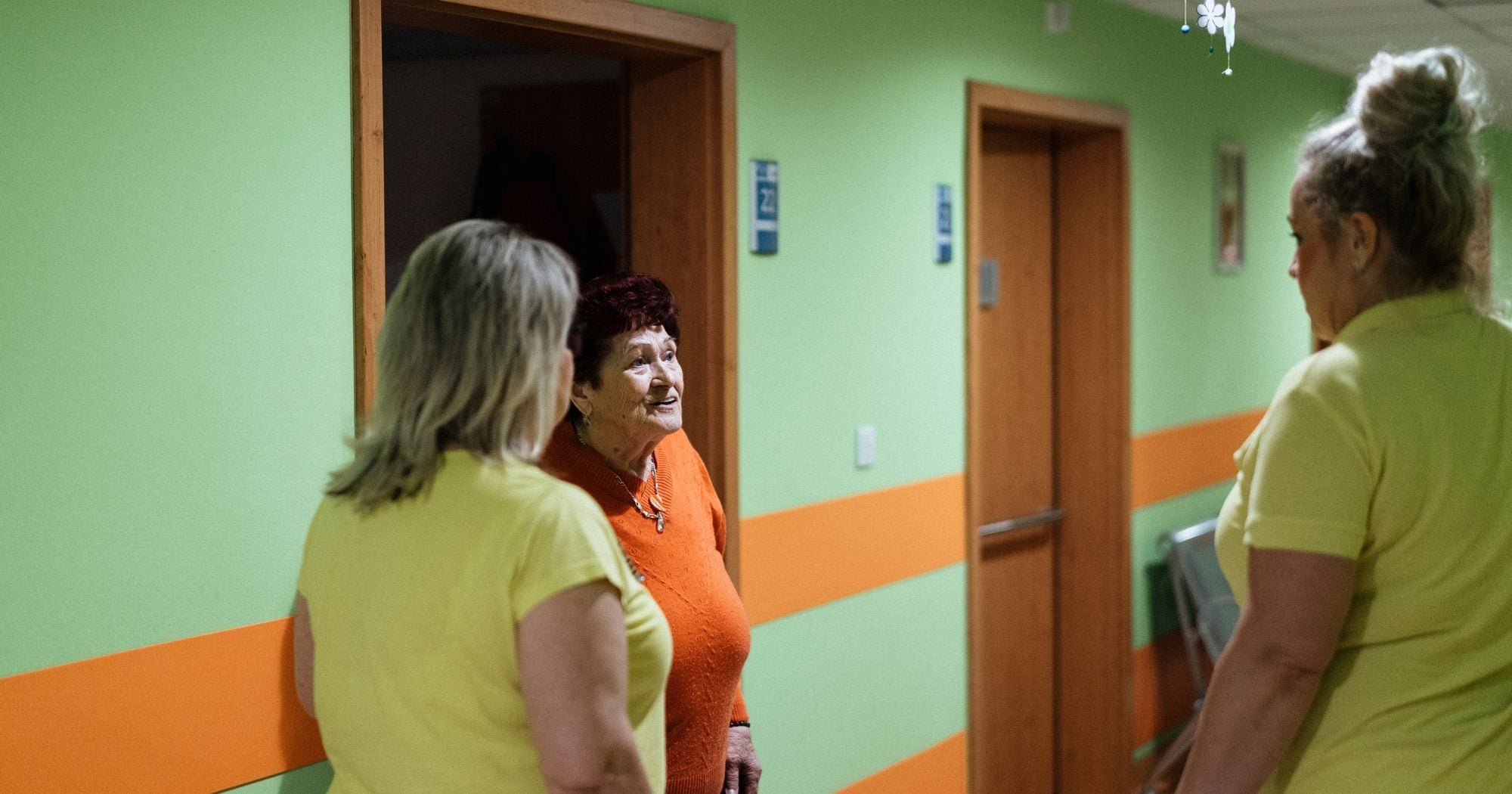
Meet One of Our Speech-Language Pathologists
Filmed during the COVID-19 pandemic.
Speech therapy built around each person
Marsha Carr, MA, CCC-SLP · Speech-Language Pathologist
Marsha on shaping speech therapy to each client, from people who are nonverbal to people rebuilding full conversation, and on helping families adjust too.
What is Speech and Language Pathology?
Speech and language pathology, often called speech therapy, is the discipline concerned with how people understand and use language, produce speech, and use thinking skills such as attention and memory to communicate. A speech-language pathologist evaluates these abilities and designs therapy to rebuild them or to find practical workarounds.
After a brain injury, communication can change in many ways. Some people have trouble finding words or following a conversation. Others speak clearly but struggle to organize their thoughts, stay on topic or read social cues. These cognitive-communication difficulties are common after traumatic brain injury and can affect relationships, work and independence.
Speech and language pathologists have been part of Irvine's team since 1994, working alongside physical and occupational therapists, nursing and counseling. Because Irvine offers residential, apartment and outpatient programs, practice can carry over into the conversations and routines of daily life.
Signs speech and language therapy may help
- Trouble finding the right word or naming familiar things
- Difficulty following conversations, instructions or reading material
- Slurred, slow or effortful speech
- Losing track of a conversation or drifting off topic
- Problems with memory, attention or organizing thoughts that affect communication
- Frustration or withdrawal because communicating has become harder
What to Expect
- An evaluation of speech, language and cognitive-communication skills
- Goals tied to real conversations and daily tasks
- Strategies that family members and staff can reinforce
- Practice that can carry into residential, apartment and outpatient settings
- Coordination with occupational therapy, physical therapy, nursing and counseling
Our Approach to Speech and Language Pathology
Initial Assessment
An evaluation typically looks at understanding, expression, reading, writing, speech clarity and the thinking skills behind communication, along with the communication situations that matter most to the person.
Personalized Plan
Goals are written around real needs, such as following a conversation, using the phone or keeping track of appointments. Therapy may combine skill building with compensatory strategies such as memory aids.
Ongoing Support
Progress is reviewed and the plan adjusted. Because Irvine's team works together, strategies can be reinforced by nursing, therapy and residential staff through the day.
Benefits
Communication for Daily Life
Therapy focuses on the conversations and tasks that matter in everyday life, not just test scores.
Support for Thinking Skills
Cognitive-communication therapy addresses attention, memory and organization as they relate to communication.
Practice Beyond the Session
Skills can be practiced in daily routines, with help from the wider team and family.
Part of a Team
Speech and language pathology is coordinated with the other disciplines on Irvine's multi-disciplinary team.
How It Typically Unfolds
Evaluation
An assessment of communication and related thinking skills, and a conversation about goals.
Early Sessions
Therapy begins with targeted exercises and strategies, and the team learns what works best for the person.
Building Skills
Practice moves into more realistic situations, such as group conversation or everyday tasks. Goals are reviewed and updated.
Long-term
The focus shifts to maintaining gains and using strategies independently. Recovery varies, and some changes may persist.
Areas speech and language therapy may address
Depending on the evaluation, therapy may address word finding and naming, understanding spoken and written language, speech clarity, social communication such as turn taking and staying on topic, and cognitive-communication skills such as attention, memory, problem solving and organizing information.
In rehabilitation settings, speech-language pathologists also commonly evaluate swallowing concerns. If you have a specific need, call (248) 415-2500 and ask how it would be addressed.
Common Questions About Speech and Language Pathology
Is speech therapy the same as speech and language pathology?
Usually, yes. Speech and language pathology is the formal name of the discipline, and speech therapy is the everyday term for it.
What are cognitive-communication problems?
They are communication difficulties that come from changes in thinking skills, such as attention, memory, organization or reasoning, rather than from the speech muscles themselves. They are common after brain injury.
Can therapy help years after an injury?
Many people continue to work on communication long after an injury. An evaluation can help show whether therapy is likely to be useful now and which goals are realistic.
Can family members be involved?
Yes. Family members often help by learning communication strategies and practicing them at home, and the team can show them how.
How soon can I be seen?
The practice is accepting new patients and notes that, based on your availability, it should be able to see you within seven days. Call (248) 415-2500 to start.
Ready to Get Help with Speech and Language?
Call (248) 415-2500 or reach out online to talk with our Southfield team.
Book an Appointment