
Recreational Therapy in Southfield
Recreational therapy at Irvine Neuro Rehabilitation uses meaningful, purposeful activity to help people rebuild physical, cognitive, emotional and social skills after injury, illness or life disruption. Our approach is personalized and goal-focused, helping you return to the activities that make life your own.
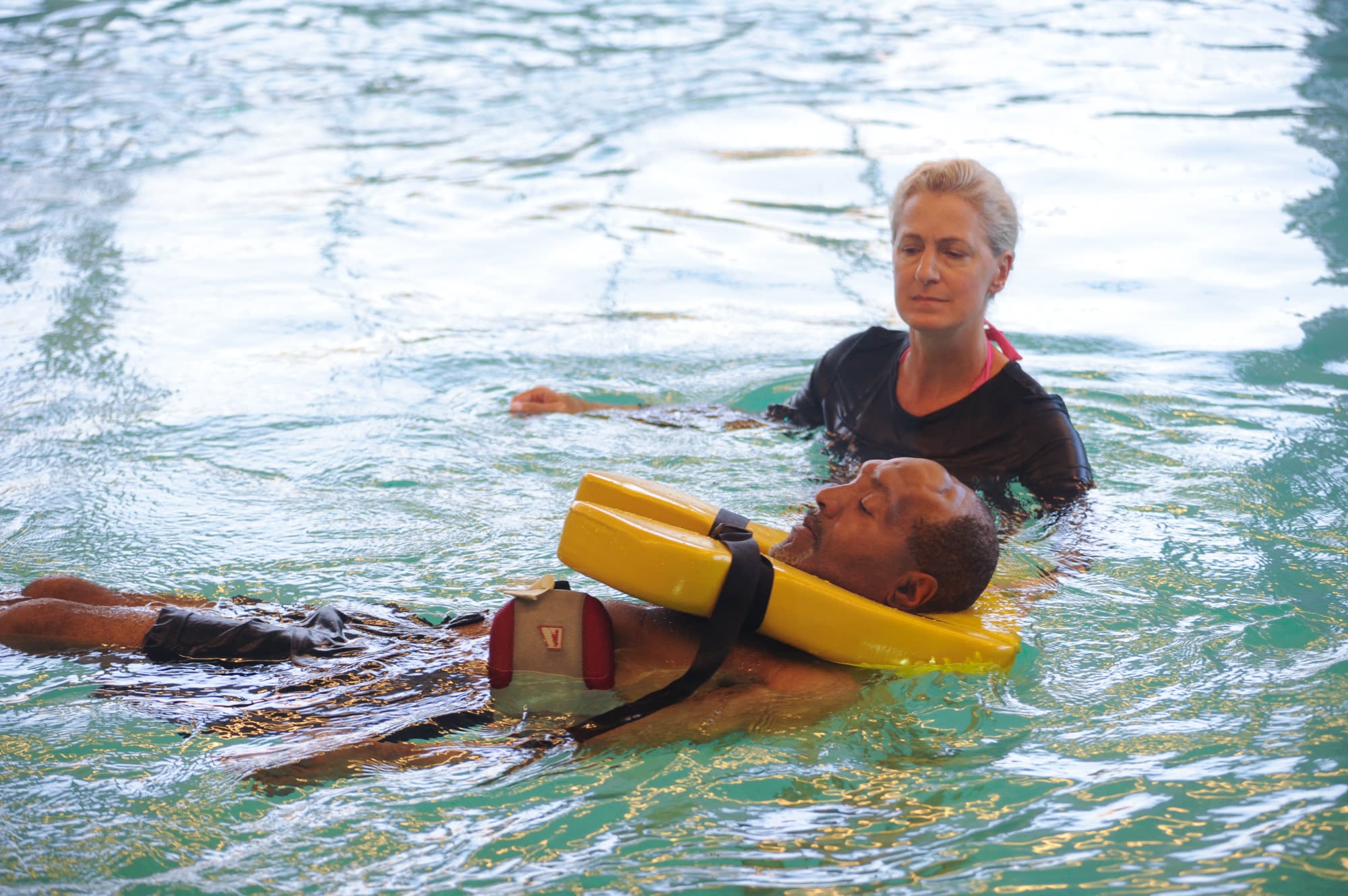
What is Recreational Therapy?
Recreational therapy, sometimes called therapeutic recreation, is a form of treatment that uses activity and leisure as tools for recovery. Rather than treating leisure as an extra, it recognizes that hobbies, play, creative expression, movement and social connection are central to health, identity and quality of life. When an injury or illness interrupts these parts of life, structured therapeutic activity can help restore them.
The approach can help people living with the effects of brain injury, stroke, neurological conditions, and mental health challenges. Activities are chosen to target specific needs, such as attention, memory, sequencing, coordination, stamina, emotional regulation, and social communication. Because the tasks are engaging and personally relevant, many people find they stay motivated and practice skills more consistently than they might in purely clinical exercises.
Research on activity-based and participation-focused rehabilitation suggests that meaningful engagement can support mood, confidence, and functional independence, particularly when it is combined with other therapies. For this reason, we view recreational therapy as one part of a coordinated plan rather than a stand-alone solution. In Southfield, our team works together so your goals are consistent across every kind of support you receive.
Signs recreational therapy may help
- Difficulty returning to hobbies, leisure or social activities after a brain injury, stroke or illness
- Withdrawal, isolation or loss of motivation to take part in everyday life
- Trouble with attention, planning, memory or problem solving during activities
- Low mood, anxiety or frustration tied to lost independence
- Reduced confidence in community settings such as stores, outings or group events
- Limited coordination, stamina or balance that makes active leisure hard
What to Expect
- Personalized, goal-focused activity-based care
- Activities adapted to your current abilities and interests
- Support for physical, cognitive, emotional and social skills
- Practice of community skills in real-world settings
- Coordination with occupational therapy, speech therapy, psychiatry and counseling
Our Approach to Recreational Therapy
1. Initial Assessment
We learn about your history, interests, strengths, and the activities that matter most to you. We look at physical, cognitive, emotional and social factors that affect participation, and we talk with you about your goals.
2. Personalized Plan
Together we build a plan around meaningful activities, such as games, crafts, music, light exercise, and community skill practice. Goals are specific, measurable and matched to your abilities.
3. Ongoing Support
We review progress, adjust activities as your skills grow, and coordinate with the rest of your care team so that gains carry over into home, work and community life.
Benefits
Meaningful Engagement
Because the tasks are engaging and personally relevant, many people find they stay motivated and practice skills more consistently than they might in purely clinical exercises.
Mood and Confidence
Meaningful engagement can support mood, confidence, and functional independence, particularly when it is combined with other therapies.
Adapted to You
Activities are chosen and adapted to your current abilities and interests. The goal is participation, growth and enjoyment, not performance.
Coordinated Care
Where appropriate, your plan is coordinated with occupational therapy, speech therapy, psychiatric care, and counseling from our team.
What to Expect
First Visit
We discuss your history, interests and goals, and begin identifying which activities will be most meaningful and useful.
Week 2-4
You begin working through planned activities. We observe how you respond and fine-tune the level of challenge and support.
Month 1-3
Many people begin to notice gains in confidence, engagement or specific skills. We review goals and extend activities into home and community settings.
Long-term
We focus on maintaining progress and independence. Recovery varies from person to person, so timelines are individual and goals are updated as needs change.
Activities and methods we may use
Depending on your goals, sessions may include cognitive games and puzzles, creative arts and crafts, music, gentle movement and balance activities, relaxation and stress-management practice, and structured social activities. We may also practice community skills, such as planning an outing, handling money, or navigating a public space, so confidence grows in real-world settings.
Each activity is graded, meaning we adjust difficulty up or down, so you are challenged without being overwhelmed. Where appropriate, your plan is coordinated with occupational therapy, speech therapy, psychiatric care, and counseling from our team.
Common Questions About Recreational Therapy
What is recreational therapy?
Recreational therapy uses purposeful leisure and activity-based interventions to improve physical, cognitive, emotional and social functioning. The aim is to help you rebuild skills and take part in life in ways that are meaningful to you.
Who can benefit from recreational therapy?
People recovering from brain injury, stroke, or neurological conditions, as well as those coping with mood, anxiety or other mental health concerns, may benefit. Your care team can help decide whether it fits your needs.
Do I need to be athletic or skilled at the activities?
No. Activities are chosen and adapted to your current abilities and interests. The goal is participation, growth and enjoyment, not performance.
How does it work with my other care?
Recreational therapy is most useful as part of a broader plan. Our team includes occupational therapy, speech therapy, psychiatry and counseling and case management, so goals can be coordinated across disciplines.
How do I get started?
Call us at (248) 415-2500 or use our contact page. We will talk through your needs and explain the next steps.
Ready to Get Help with Recreational Therapy?
Call (248) 415-2500 or reach out online to talk with our Southfield team.
Book an Appointment