
Concussion Treatment in Southfield
A concussion can change how you think, feel and move, even when scans look normal. Our team at Irvine Neuro Rehabilitation provides thoughtful assessment and a personalized rehabilitation plan to help you recover step by step.
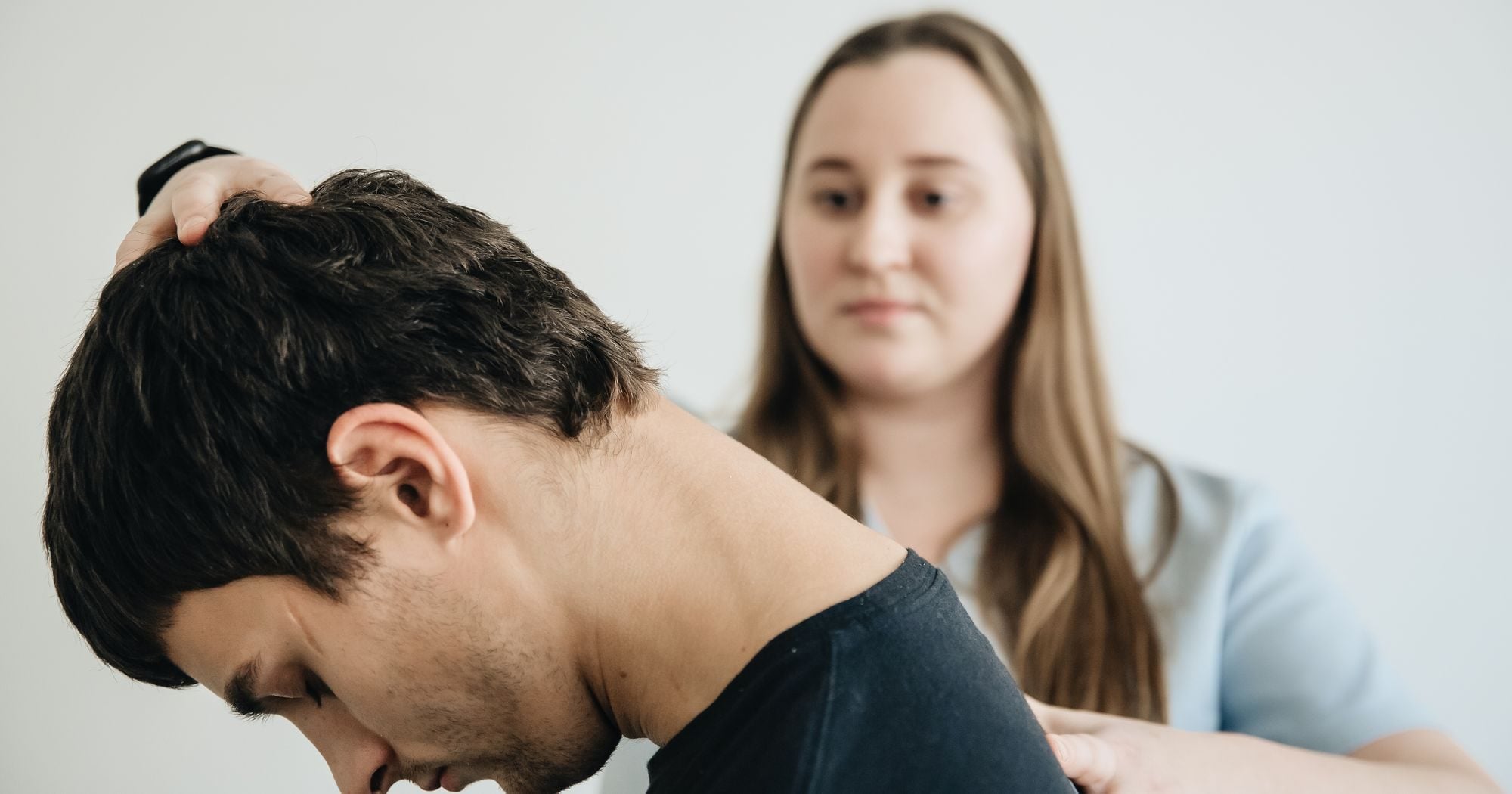
Understanding Concussion
A concussion is a mild traumatic brain injury caused by a bump, blow or jolt to the head, or by a hit to the body that makes the brain move rapidly inside the skull. This movement can stretch and disturb brain cells and temporarily change how the brain works. Concussions are common, and they happen in sports, car crashes, falls and everyday accidents. Although many people recover fully within weeks, the effects on daily life can be significant, interfering with work, school, relationships, driving and the ability to enjoy normal activities.
Falls are among the leading causes, particularly in young children and older adults. Contact and collision sports such as football, soccer, hockey and basketball carry well-known risks, as do motor vehicle collisions, cycling accidents, workplace incidents and assaults. Having had a previous concussion increases the likelihood of another and may lengthen recovery. Other factors that can influence recovery include a history of migraine, anxiety or depression, learning difficulties, sleep problems, and returning to demanding activity too soon after injury.
Professional treatment matters because concussion symptoms are varied and often overlap. Headache, visual strain, dizziness, neck problems, sleep disruption, mood changes and cognitive difficulties may each need a different strategy. Without guidance, people may rest too long, push too hard, or struggle for months without knowing why. A skilled team can identify which systems are involved, rule out signs of more serious injury, teach safe pacing, and provide targeted therapy for thinking, communication, daily function and emotional wellbeing. Seeking help early gives you the best chance of a smooth, steady recovery.
Signs & Symptoms of Concussion
- Headache. A persistent or pressure-type headache is the most frequently reported symptom after a blow to the head.
- Dizziness and balance problems. Feeling unsteady, lightheaded or off-balance can reflect disruption of the vestibular system.
- Brain fog. Difficulty thinking clearly, concentrating or feeling mentally slowed is very common.
- Memory trouble. Problems recalling the event or forming new memories can appear in the first days and weeks.
- Sensitivity to light and noise. Bright screens, busy rooms and loud sounds may feel overwhelming.
- Sleep changes. Sleeping too much, too little or waking unrefreshed is a typical after-effect.
- Mood changes. Irritability, anxiety, sadness or emotional swings can follow a head injury.
- Fatigue. Mental and physical tiredness can arise from even light activity.
What to Expect
- Thorough assessment of how the injury happened and which symptoms bother you most
- Personalized plan that may include occupational therapy, speech therapy, counseling and medical oversight
- Gradual, symptom-guided return to activity
- Regular progress reviews with plan adjustments
- Coordinated follow-up among your providers
How We Treat Concussion
Assessment
We begin by listening to your story, including how the injury happened and which symptoms bother you most. We review thinking, communication, daily function and emotional wellbeing to see which areas are affected. This gives us a clear picture to build your plan on.
Treatment Plan
Your plan is tailored to your symptoms, goals and responsibilities at home, work or school. It may include occupational therapy, speech therapy, counseling and medical oversight. We explain each step so you know what to expect and why.
Ongoing Care
We check in on progress regularly and adjust the plan as symptoms change. Activity is increased gradually so you build tolerance without setbacks. Your care team coordinates follow-up so nothing is overlooked along the way.
Benefits
A Personalized Care Plan
No two concussions look alike. Our team of occupational, speech, psychiatric and counseling professionals shapes a plan around your symptoms, goals and daily life.
Unhurried Time to Ask Questions
Recovery can feel confusing. We encourage your questions and take the time to explain what is happening and what to expect.
Coordinated Follow-Up
Your providers work together and review your progress over time, so adjustments are made thoughtfully and your care stays on track.
Your Treatment Journey
First Evaluation (Week 1)
We review your injury, symptoms and goals, and discuss safe activity and rest. You leave with a clear understanding of next steps.
Treatment Begins (Weeks 2-4)
Therapy starts, along with strategies for pacing, sleep and symptom management. Many people notice gradual improvement, though progress is often uneven, with good days and harder days.
Progress Review (Months 2-3)
We measure change, adjust the plan and address any symptoms that remain. If recovery is slower than expected, we look at additional contributing factors.
Long-term Management
For lingering symptoms, we focus on maintaining gains, building resilience and supporting a full return to work, school and life.
Warning Signs That Need Prompt Care
Worsening headache. A headache that grows steadily more severe needs prompt medical evaluation.
Repeated vomiting. Vomiting more than once after a head injury can signal a more serious problem.
Loss of consciousness. Passing out, even briefly, calls for an urgent assessment.
Seizures. Convulsions or unusual shaking after a head injury are an emergency.
Confusion or slurred speech. Growing disorientation or trouble speaking clearly should never be ignored.
Weakness or numbness. New weakness, numbness or clumsiness in the arms or legs requires immediate care.
Unequal pupils. Pupils of different sizes or unusual eye movements are a red flag.
Symptoms lasting weeks. Symptoms that persist beyond several weeks merit a structured rehabilitation plan.
If you recognize these signs, help is available. Early treatment leads to better outcomes.
Evidence-Based Concussion Care
Evidence-based concussion care generally begins with a short period of relative rest, followed by a gradual, symptom-guided return to activity, since prolonged inactivity can slow recovery. Rehabilitation may include cognitive therapy to strengthen attention, memory, planning and organization; speech-language therapy for word-finding, processing and communication difficulties; and occupational therapy to rebuild daily routines, energy management, visual and sensory tolerance, and return-to-work or school skills. Counseling and cognitive behavioral strategies can help with anxiety, low mood and coping, and good sleep habits are emphasized. Medication is not required for every person, but a physician may consider it for specific symptoms such as sleep disturbance, headaches or mood changes.
Common Questions About Concussion
How long does concussion treatment take?
Most people recover within a few weeks, but the timeline varies with the severity of the injury, prior concussions, and individual factors. When symptoms linger beyond several weeks, a structured rehabilitation program can help, and it may take a few months. We review progress regularly and adjust the plan as you improve.
Is medication required for a concussion?
Not always. Rest followed by a gradual return to activity and targeted therapy are the foundation of care. In some cases, a physician may consider medication for specific symptoms such as headaches, sleep disruption, or mood changes. Our Medical Director, Dr. Theodore Ruza, DO, a psychiatrist, can help address mood and sleep concerns when appropriate.
Does insurance cover concussion treatment?
Coverage depends on your individual plan and the services involved. We recommend calling (248) 415-2500 to ask about your options, and checking with your insurer about benefits for evaluation and therapy.
What if the first treatment does not work?
Concussion recovery is rarely a straight line. If symptoms are not improving, we reassess, look again at which systems are contributing, and modify the plan. Different symptoms may call for different therapies, and a coordinated approach often helps.
When should I seek care after a head injury?
Seek emergency care right away for warning signs such as repeated vomiting, seizures, worsening headache, confusion, or loss of consciousness. For lingering symptoms such as headaches, fogginess, or trouble concentrating, a rehabilitation evaluation is appropriate.
Can I return to work, school or sports?
Most people can return gradually. A stepwise return, starting with light activity and increasing as symptoms allow, is generally recommended. Returning to contact sports should happen only after symptoms resolve and you have been cleared by a qualified clinician.
Related Conditions
Related
Traumatic Brain Injury
Rehabilitation after moderate to severe head injuries affecting thinking, movement and mood.
Related
Post-Concussion Syndrome
Symptoms that persist well beyond the expected recovery window.
Related
Cognitive Impairment
Support for memory, attention and problem-solving difficulties.
Get Help for Concussion Today
You don't have to face Concussion alone. We are ready to help.
Schedule an Appointment