
Head Injury Rehabilitation in Southfield
Our head injury rehabilitation in Southfield, MI supports adults recovering from concussion and brain injury, addressing thinking, communication, daily function and emotional health. We use a coordinated, individualized approach that brings therapy and medical support together around your goals.
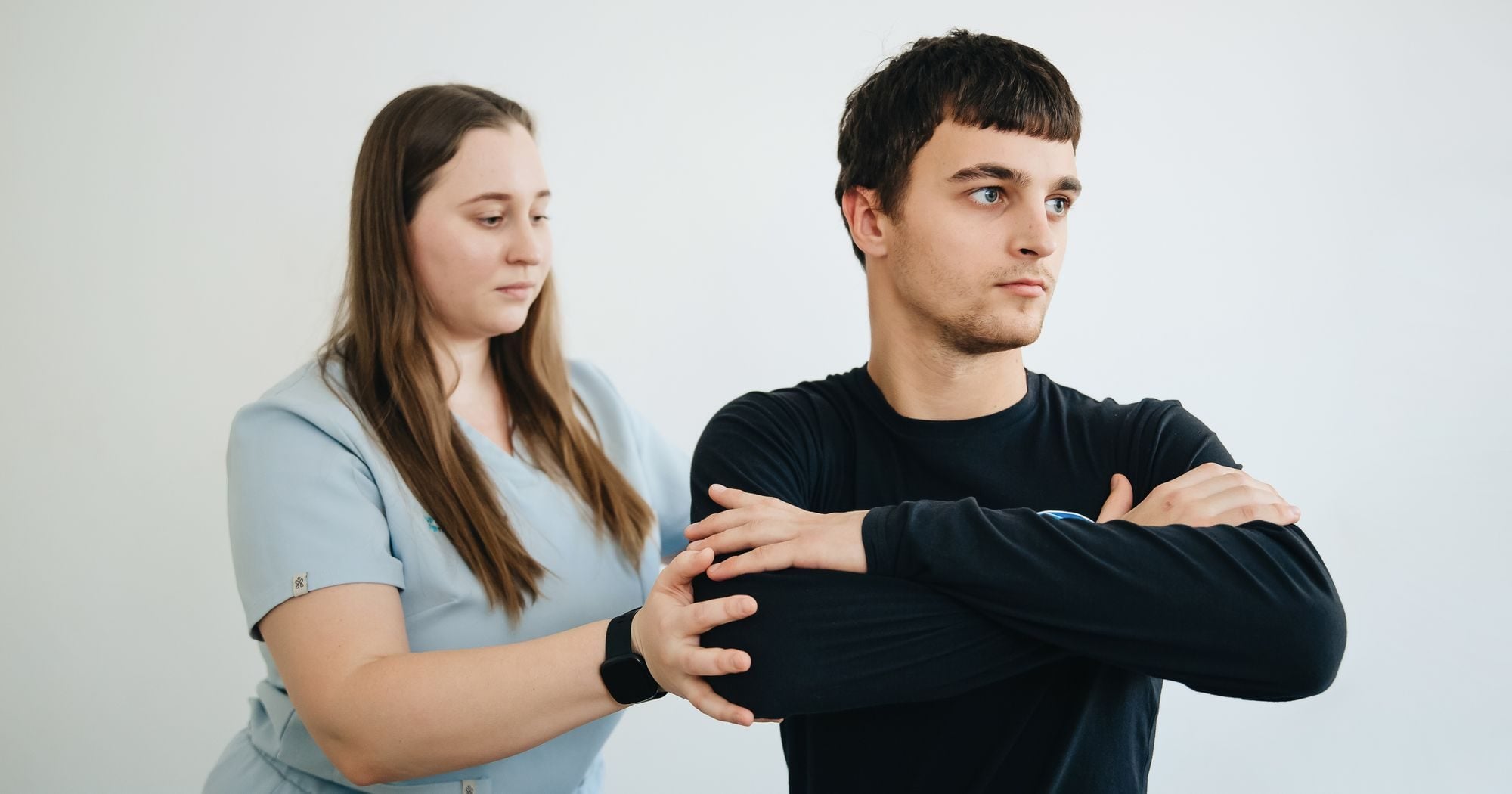
What is Head Injury Rehabilitation?
Head injury rehabilitation is a structured process that helps people recover abilities affected by trauma to the brain. An injury can result from a blow to the head, a sudden acceleration and deceleration of the brain, or a penetrating wound. Effects range from short-lived concussion symptoms to long-term changes in cognition, communication, movement, behavior and emotional regulation.
Rehabilitation is generally delivered by a team because brain injury rarely affects only one area. Occupational therapy addresses practical skills such as organization, routines, energy management and return to meaningful activities. Speech therapy addresses language, memory, attention and the cognitive skills that support communication. Psychiatric care and counseling address mood, anxiety, sleep, coping and adjustment, which are common after injury.
Research on brain injury recovery supports multidisciplinary rehabilitation, particularly cognitive rehabilitation and graded return to activity, as a way to improve function and participation. The brain has a capacity to adapt through repetition, practice and compensatory strategies. Rehabilitation is appropriate for people early in recovery as well as those whose symptoms have lingered. Common signs that someone may benefit include:
- Persistent headaches, dizziness or sensitivity to light and noise
- Problems with memory, attention or concentration
- Difficulty finding words, following conversations or organizing speech
- Trouble with planning, problem solving or managing daily routines
- Fatigue, sleep disruption or reduced stamina
- Mood changes, irritability, anxiety or depression
- Difficulty returning to work, school or household responsibilities
What to Expect
- Coordinated team care combining occupational therapy, speech therapy, psychiatry and counseling
- Initial assessment of memory, attention, communication, everyday function and emotional wellbeing
- Written personalized plan with clear goals and progress reviews
- Care adjusted as you recover, with family involved when appropriate
- Appropriate for early recovery as well as lingering symptoms
Our Approach to Head Injury Rehabilitation
Initial Assessment
We review your injury history, medical records, current symptoms and daily challenges. Assessment may look at memory, attention, communication, everyday function and emotional wellbeing so we understand what matters most to you.
Personalized Plan
Findings become a written plan with clear goals, such as managing fatigue, improving memory strategies, communicating more clearly or returning to routines. The plan identifies which team members will be involved and how progress will be reviewed.
Ongoing Support
Care is adjusted as you recover. Therapy, counseling and case management work together, and we involve family members when appropriate so strategies carry over at home, at work and in the community.
Benefits
Coordinated Team Care
Therapy, counseling and case management work together, so each part of your recovery supports the others.
Individualized Goals
Findings become a written plan with clear goals, such as managing fatigue, improving memory strategies, communicating more clearly or returning to routines.
Support for Thinking and Communication
Speech therapy supports cognitive-communication skills including memory strategies, attention training, word retrieval and organization of thoughts and speech.
Emotional and Medical Support
Psychiatric evaluation and counseling can address depression, anxiety, sleep problems, coping and adjustment after injury.
What to Expect
First Visit
We listen to your story, review records and begin identifying your priorities and concerns.
Week 2-4
Your plan takes shape and you begin practicing strategies. Early progress is often small, such as better routines or symptom awareness.
Month 1-3
We review goals, refine techniques and build on what is working. Many people notice more consistent function, though recovery is not always linear.
Long-term
Care shifts toward independence, maintaining gains and planning for new challenges. Some symptoms may persist, and we help you manage them.
Therapies and Treatments We Use
Occupational therapy focuses on energy pacing, routine building, task organization, sensory sensitivities and practical tools for independence. Speech therapy supports cognitive-communication skills including memory strategies, attention training, word retrieval and organization of thoughts and speech.
Psychiatric evaluation with Dr. Theodore Ruza, DO, can address depression, anxiety, sleep problems and other mood or behavioral changes, and may include medication management when clinically appropriate. Counseling with licensed professional counselors helps with coping, adjustment and relationship stress after injury.
Case management helps connect you with resources and keeps your care plan coordinated, so each part of your recovery supports the others.
Common Questions About Head Injury Rehabilitation
What kinds of head injuries can rehabilitation help with?
Rehabilitation is used after concussions, mild traumatic brain injuries and more significant brain injuries from falls, vehicle collisions, sports or other accidents. The goals and pace of care depend on the person and the type of injury.
How soon after a head injury should rehabilitation begin?
Initial medical care always comes first. Once a person is medically stable and cleared, rehabilitation can often begin. Many people with persistent symptoms benefit from an evaluation even months or years after the injury.
Which providers may be involved in my care?
Depending on your needs, your team may include physical and occupational therapists, speech therapy, nursing, counseling and case management. Dr. Theodore Ruza, DO, serves as Medical Director and Psychiatrist, and counseling support includes Michelle Honoway, MA, LPC. You can meet the team on our Team page.
Will I fully recover?
Recovery varies widely. Many people improve substantially, while others continue to manage some lasting symptoms. Rehabilitation focuses on building skills, strategies and supports that make daily life more manageable, and we do not promise specific outcomes.
How do I get started?
Call (248) 415-2500 or use our contact page to ask about next steps. Bring any records you have from your hospital stay or physicians, along with a list of current symptoms and medications.
Ready to Get Help with Head Injury Rehabilitation?
Call (248) 415-2500 or reach out online to talk with our Southfield team about your recovery.
Book an Appointment