
Acquired Brain Injury Treatment in Southfield
Acquired brain injury can change how a person thinks, communicates, feels and manages everyday life. At Irvine Neuro Rehabilitation in Southfield, MI, our team offers personalized, coordinated rehabilitation to help you rebuild skills and regain independence.
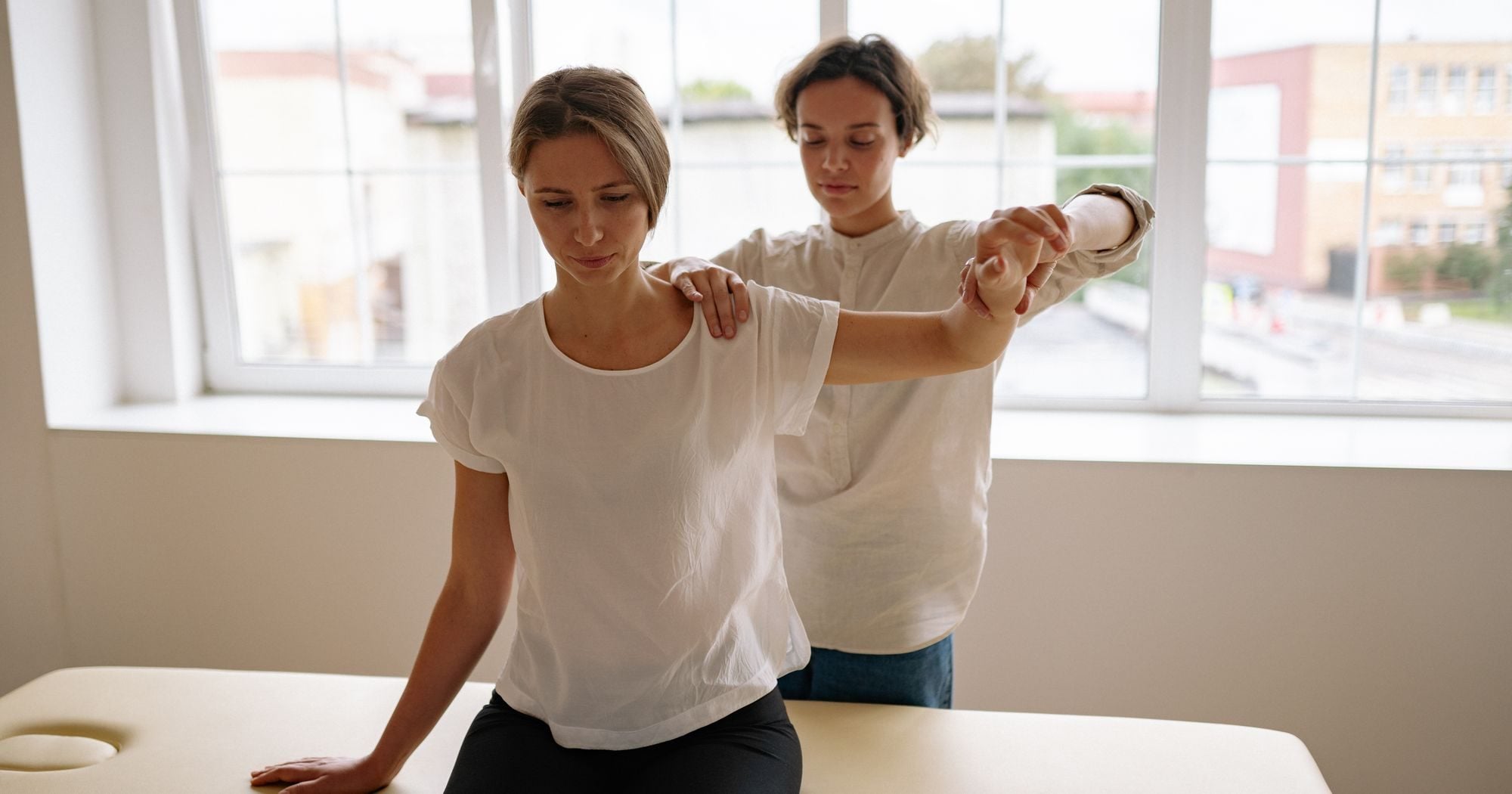
Understanding Acquired Brain Injury
An acquired brain injury (ABI) is damage to the brain that occurs after birth and is not related to a congenital or degenerative condition. It includes traumatic injuries, caused by an outside force such as a fall or vehicle collision, and non-traumatic injuries, caused by internal events such as stroke, lack of oxygen, infection or tumor. ABI is common, and many people live with its long-term effects. The impact reaches well beyond the injury itself, affecting memory, attention, language, movement, emotional regulation, relationships, work and independence.
Causes are varied. Traumatic causes include falls, motor vehicle crashes, sports injuries and assaults. Non-traumatic causes include ischemic or hemorrhagic stroke, cardiac arrest or near-drowning leading to oxygen deprivation, brain infections such as meningitis or encephalitis, brain tumors, and toxic exposures. Risk factors depend on the cause: older age and fall risk, high blood pressure and heart disease for stroke, contact sports, substance use and certain occupations. Many of these risks can be reduced through safety measures and management of underlying health conditions.
Professional treatment matters because the brain is most responsive to structured, targeted rehabilitation, and because the effects of ABI are often hidden. A person may look well yet struggle with fatigue, planning, word-finding or mood. Without support, these problems can lead to frustration, isolation and strain on families. A coordinated team can identify what is affecting daily life, teach practical strategies, address emotional health and help people return to the activities that matter most to them.
Signs & Symptoms of Acquired Brain Injury
- Memory problems. Difficulty learning new information or recalling recent events and conversations.
- Attention and concentration changes. Trouble staying focused, following conversations or completing tasks without distraction.
- Fatigue. Persistent tiredness that does not fully resolve with rest and limits daily activity.
- Headaches. Recurring or lingering head pain that may worsen with effort or screen use.
- Speech and language difficulty. Trouble finding words, forming sentences or understanding what others say.
- Mood and emotional changes. Irritability, anxiety, depression or sudden emotional shifts that feel out of character.
- Slowed thinking and planning. Difficulty organizing, problem-solving or making decisions that once felt easy.
- Difficulty with daily routines. Challenges with dressing, cooking, managing money or returning to work.
What to Expect
- Assessment of thinking, communication, daily function and emotional well-being
- Personalized plan with specific, realistic goals
- Occupational therapy, speech therapy, counseling and psychiatric care as appropriate
- Regular progress reviews with plan adjustments
- Family education and involvement
How We Treat Acquired Brain Injury
Assessment
We begin by listening to your history, your injury and the changes you and your family have noticed. Our team looks at thinking, communication, daily function and emotional well-being. The goal is a clear picture of your strengths and the areas that need support.
Treatment Plan
Findings are turned into a personalized plan with specific, realistic goals. Therapy may involve occupational therapy, speech therapy, counseling and psychiatric care as appropriate. You and your family help shape priorities so the plan fits your life.
Ongoing Care
Recovery changes over time, so we review progress and adjust the plan as needed. Follow-up keeps therapy, case management and medical care coordinated. We also help you and your family build strategies to use at home and at work.
Benefits
A Personalized Care Plan
No two brain injuries look alike. Your plan is built around your symptoms, goals and daily responsibilities, not a generic protocol.
Unhurried Time to Ask Questions
Brain injury raises many questions for patients and families. We make space to explain what is happening and what to expect.
Coordinated Follow-Up
Our team includes occupational therapy, speech therapy, psychiatry and counseling, so follow-up stays connected across disciplines.
Your Treatment Journey
First Evaluation (Week 1)
We review your history, records and current concerns, and assess cognition, communication, function and mood. You leave with an understanding of what comes next.
Treatment Begins (Weeks 2-4)
Therapy starts with focused goals, such as strategies for memory, attention, communication or daily tasks. Early weeks are about building routines; change is often gradual.
Progress Review (Months 2-3)
We revisit your goals, measure change and adjust the plan. Some skills improve steadily while others plateau, and honest review helps direct effort where it matters.
Long-term Management
Recovery after brain injury can continue for a long time. Ongoing support focuses on independence, return to meaningful activities and managing lasting symptoms.
Warning Signs That Need Prompt Care
Sudden severe headache. An abrupt, intense headache can signal bleeding or another emergency.
Repeated vomiting or worsening confusion. Progressive confusion or persistent vomiting after an injury needs urgent evaluation.
Seizures. Any new seizure activity requires immediate medical attention.
Weakness or numbness. New one-sided weakness, facial droop or loss of sensation may point to a stroke.
Slurred speech. Sudden speech changes should be treated as an emergency.
Loss of consciousness. Passing out, even briefly, warrants prompt medical assessment.
Severe behavior or personality change. Marked agitation, aggression or withdrawal may need prompt clinical support.
Thoughts of self-harm. Emotional distress after brain injury is serious and deserves immediate help.
If you recognize these signs, help is available. Early treatment leads to better outcomes.
Evidence-Based Rehabilitation Approaches
Treatment draws on widely used, evidence-based rehabilitation approaches. Cognitive rehabilitation targets attention, memory and executive function through structured exercises and compensatory strategies such as planners, routines and cueing. Occupational therapy focuses on activities of daily living, energy management, sensory and visual-motor challenges, and return to work or home roles. Speech-language therapy addresses word-finding, comprehension, speech clarity, social communication and swallowing concerns. Counseling, including cognitive behavioral approaches, supports coping, anxiety and depression, while case management helps coordinate services and resources. When appropriate, psychiatric care may include medication to manage symptoms such as mood changes, sleep disruption, agitation or attention problems. Education for patients and families is part of every plan.
Why Choose Irvine Neuro Rehabilitation for Acquired Brain Injury Treatment
A Personalized Care Plan
Unhurried Time to Ask Questions
Coordinated Follow-Up
Common Questions About Acquired Brain Injury
How long does acquired brain injury treatment take?
It varies widely with the type and severity of injury, how long ago it occurred and your goals. Some people work with a team for several months, while others need support over a longer period. We review progress regularly and adjust the plan.
Is medication required?
Not always. Rehabilitation therapy is the foundation of care. Medication may be considered for specific problems such as mood, anxiety, sleep, attention or seizures, and that decision is made with a physician based on your needs.
Does insurance cover treatment?
Coverage depends on your plan and the services involved. Please call us at (248) 415-2500 and we can talk through your questions, and you may also confirm benefits with your insurer.
What if the first treatment does not work?
Recovery is rarely a straight line. If an approach is not helping, we reassess, adjust strategies or goals, and involve other members of the team as needed.
Can I recover after a brain injury?
Many people make meaningful gains in function, communication and independence, though outcomes depend on the injury. Rehabilitation focuses on building skills, compensating for lasting changes and improving quality of life.
Should family members be involved?
Family support often makes a real difference. Loved ones can share observations, learn strategies and help practice skills at home, and we encourage their involvement where you are comfortable.
Related Conditions
Related
Traumatic Brain Injury
Injury caused by an external force to the head, with effects on thinking, mood and movement.
Related
Stroke Recovery
Rehabilitation to support movement, speech and daily function after a stroke.
Related
Cognitive Impairment
Support for memory, attention and problem-solving difficulties.
Get Help for Acquired Brain Injury Today
You don't have to face Acquired Brain Injury alone. We are ready to help.
Schedule an Appointment