
Leisure Activities in Southfield
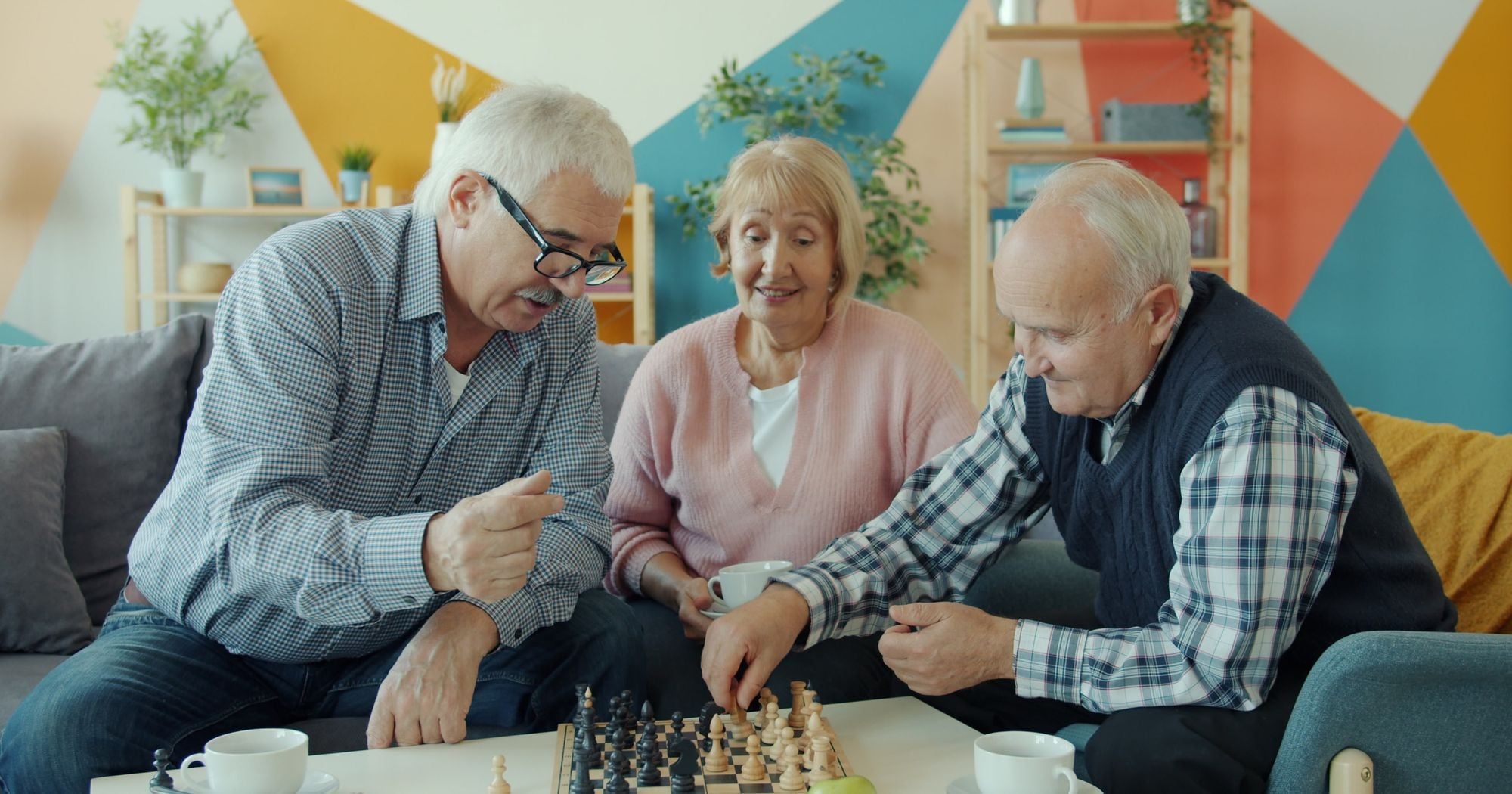
Leisure activities give people recovering from brain injury the chance to enjoy hobbies, games, creative projects and social time, which are an important part of a full life and of recovery.
Why Leisure Matters in Recovery
Leisure is more than free time. Hobbies, games, creative projects, outings and time with others give life meaning and structure, and they are often among the first things to fall away after a brain injury. Leisure activities help people rediscover what they enjoy and find ways to take part again.
Recreational therapists have been part of Irvine's team since 1992. Leisure activities sit alongside recreational therapy: recreational therapy uses activity as a planned treatment toward specific goals, while leisure activities give people regular opportunities to enjoy themselves, socialize and use their skills.
Activities are typically adapted to each person's abilities and interests, so that everyone can take part. Along the way, leisure can support attention, coordination, mood and social connection.
Leisure activities may help people who
- Have lost touch with hobbies or interests since their injury
- Feel bored, isolated or unmotivated
- Want more social time with others
- Need activities adapted to new physical or thinking abilities
- Are looking for structure and enjoyment in their week
What to Expect
- Games, creative projects and social activities
- Activities adapted to each person's abilities and interests
- Opportunities to connect with others
- Support from staff experienced in brain injury
- Links with recreational therapy goals
Our Approach to Leisure Activities
Learning Interests
Staff find out what the person enjoyed before the injury and what they would like to try now.
Adapting Activities
Activities are adjusted so the person can take part successfully, for example by simplifying steps or changing equipment.
Building a Routine
Regular leisure time is built into the week, and activities change as interests and abilities grow.
Benefits
Enjoyment
Doing things you enjoy is part of a full life and of recovery.
Social Connection
Group activities create chances to connect with others.
Skill Practice
Games and projects can exercise attention, memory and coordination.
Confidence
Success in activities can rebuild confidence.
How It Typically Unfolds
Getting Started
Talking about interests, past hobbies and what the person would like to do.
Trying Activities
Exploring a range of activities to see what fits.
Regular Routine
Leisure becomes a regular part of the week.
Looking Ahead
Planning ways to continue favorite activities in the next living situation.
Activities that may be offered
Leisure activities in a rehabilitation setting commonly include board and card games, puzzles, arts and crafts, music, movies, gardening, light exercise and social gatherings. What is offered depends on the setting, the season and the interests of the group.
For activity used as a planned treatment toward specific goals, see our recreational therapy program.
Common Questions About Leisure Activities
How are leisure activities different from recreational therapy?
Recreational therapy uses activity as a planned treatment toward specific goals. Leisure activities focus on enjoyment, social time and taking part. The two often work together.
What if someone cannot do the activities they used to enjoy?
Activities can often be adapted, or new interests explored. Staff help find options that work.
Are activities done in groups?
Many leisure activities are social, and individual interests are supported too.
Can families share a loved one's interests with the team?
Yes. Knowing about past hobbies and favorite activities helps staff plan activities the person will enjoy.
How do I learn more?
Call (248) 415-2500 or schedule a tour. There is no charge for a consultation.
Related Services
Want to Learn More About Life at Irvine?
Call (248) 415-2500 to ask questions or schedule a tour of our Southfield campus.
Book an Appointment