
Outpatient vs Inpatient Neuro Rehabilitation: What to Consider
Choosing a rehabilitation setting shapes your recovery. Here is a clear look at how the two options differ.
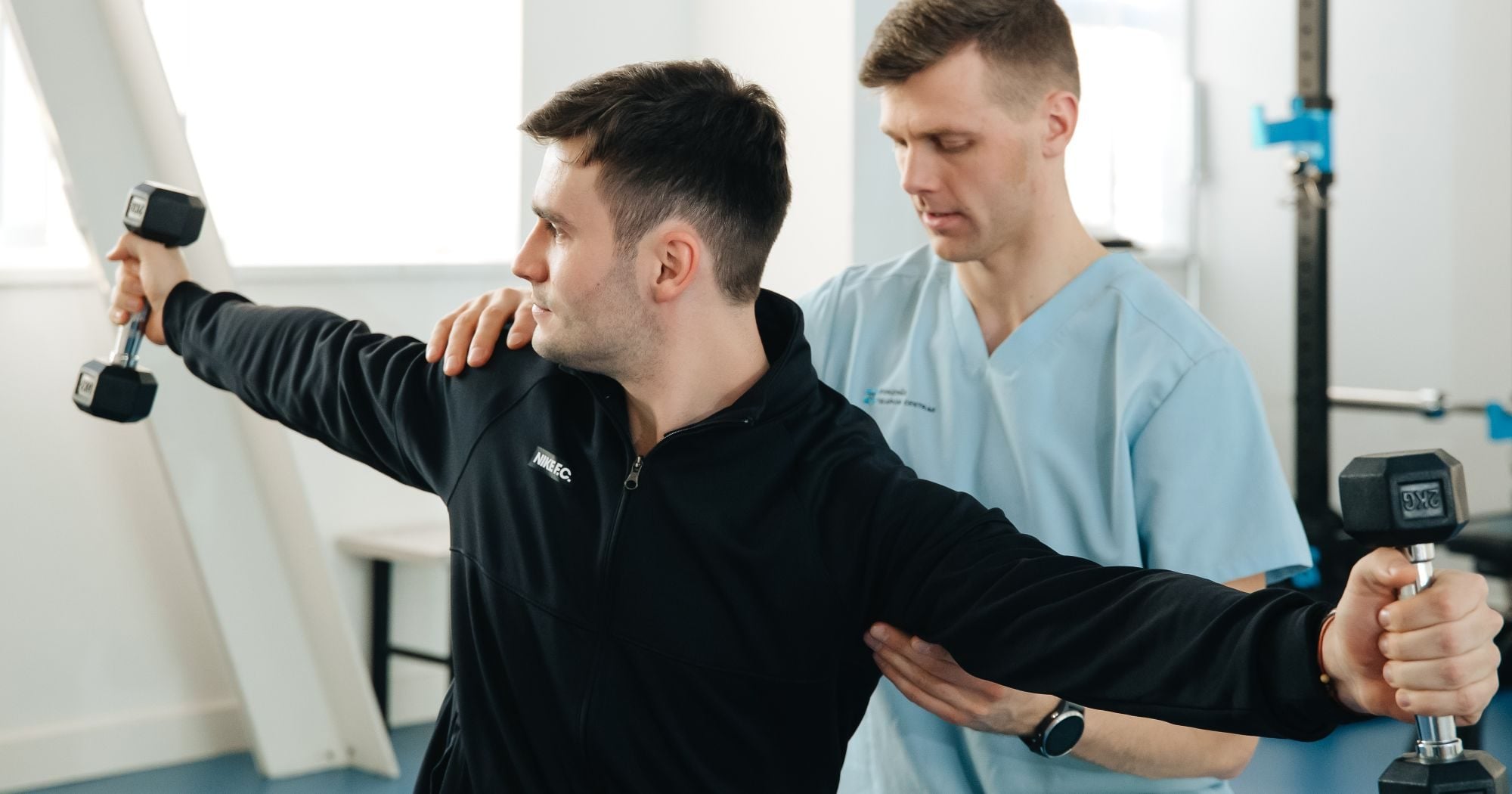
Side-by-Side Comparison
Outpatient Neuro Rehabilitation
Outpatient rehabilitation means you live at home and travel to scheduled therapy sessions. It is common for people recovering from stroke, concussion or traumatic brain injury, and for those managing conditions such as Parkinson's disease or multiple sclerosis.
Research on rehabilitation consistently shows that repeated, task-specific practice supports recovery, and outpatient care lets you apply new skills in your own kitchen, bathroom and neighborhood. Typical patients are medically stable, able to participate in sessions, and have a safe home setting.
Expect an evaluation, goal setting, hands-on sessions and a home program. Therapy may address daily activities, speech and communication, cognition, and emotional well-being.
Inpatient Neuro Rehabilitation
Inpatient rehabilitation takes place in a hospital unit or dedicated facility where you stay overnight. It offers daily, intensive therapy from multiple disciplines alongside round-the-clock medical and nursing care.
It is often recommended soon after a major neurological event, when needs are complex and close monitoring matters. Typical patients cannot yet safely manage daily care at home or need several therapies coordinated each day.
Expect a structured daily schedule, frequent team reviews and discharge planning that often leads into outpatient therapy.
How to Decide
Choose outpatient if...
- You are medically stable and can safely live at home
- You have family or caregiver support available
- You can travel to appointments reliably
- You want to keep work, school or family routines going
- You are continuing recovery after an inpatient stay
Choose inpatient if...
- You need 24-hour nursing or medical monitoring
- You cannot yet safely transfer, walk or manage daily care at home
- You need several therapy disciplines coordinated daily
- Your home is not yet set up for your safety
- Your care team recommends intensive early rehabilitation
Frequently Asked Questions
Can I move from inpatient to outpatient rehabilitation?
Yes. Many people begin with an inpatient stay and then continue with outpatient therapy after discharge. Your care team can help plan that transition.
Is outpatient rehabilitation less effective?
Not necessarily. The right setting depends on medical stability, safety and the level of support needed. Outpatient therapy is well suited to people who can live at home safely.
What types of therapy are part of neuro rehabilitation?
Depending on needs, care may include occupational therapy, speech therapy, and psychiatric or counseling support. Irvine Neuro Rehabilitation has providers in these areas.
How do I know which setting my insurance covers?
Coverage varies by plan and by situation. Contact your insurer to ask about benefits, authorizations, copays and deductibles for each setting.
Who decides which level of care I need?
Usually your physician and rehabilitation team, based on your medical condition, abilities, safety at home and goals. You and your family are part of that decision.
Ready to Talk Through Your Next Step?
Reach out to Irvine Neuro Rehabilitation in Southfield, MI, or call (248) 415-2500.
Discuss Your Options