
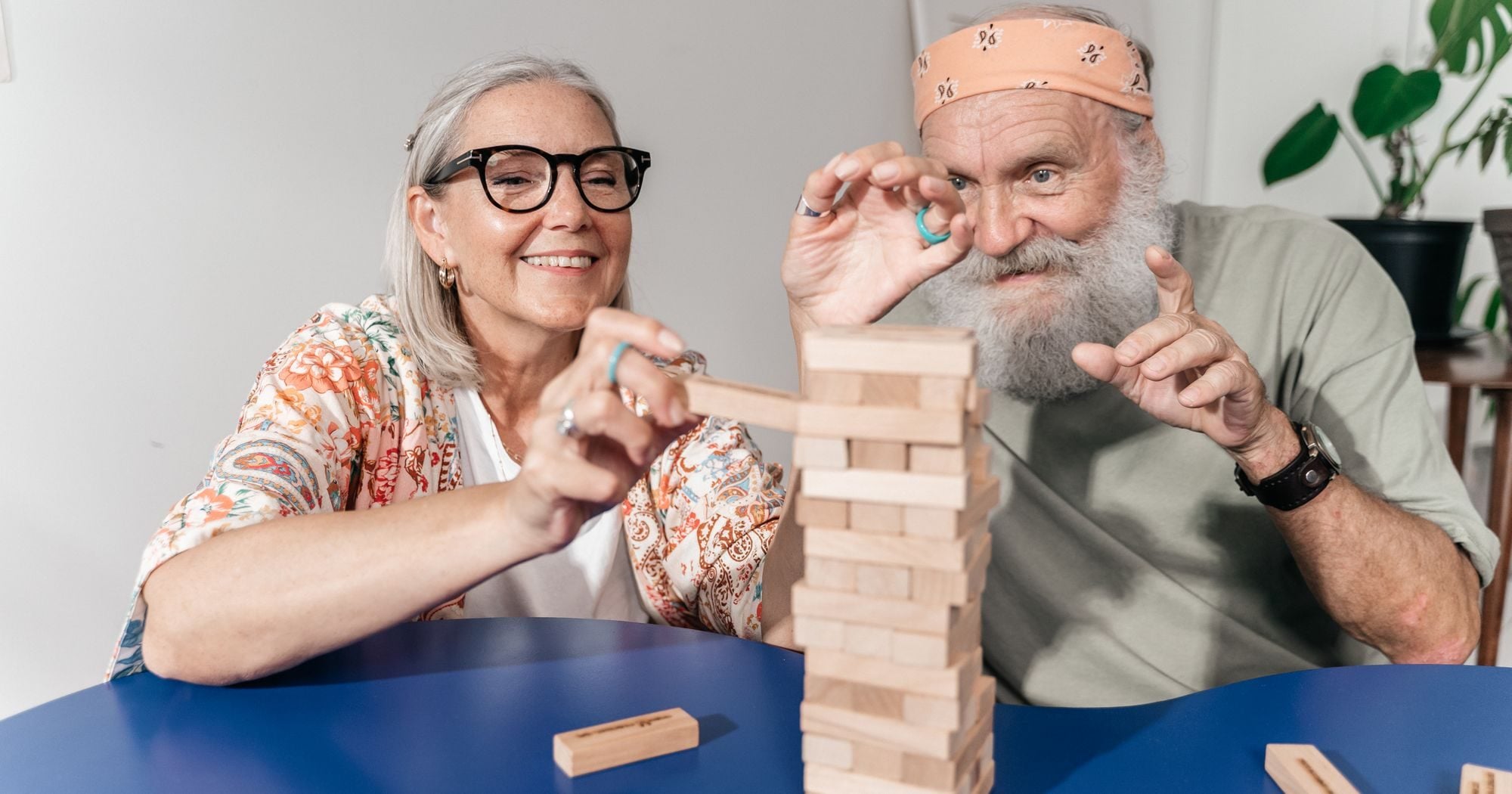
After a brain injury, stroke, or another life-changing health event, many people describe the same quiet loss: not only of skills, but of belief in themselves. The things that once brought joy, like a card game, a garden, a walk with a friend, can suddenly feel out of reach. Recreation is one of the most human ways to begin reclaiming that belief.
What Is Recreation in Recovery?
Recreation means purposeful, enjoyable activity chosen because it matters to you. In rehabilitation, it is more than a way to pass time. Leisure activities can be used to practice movement, attention, memory, communication, and problem solving in a setting that feels natural rather than clinical. Because the activity is meaningful, effort often feels more worthwhile.
Who Can Benefit?
Anyone adjusting to a change in abilities may find recreation helpful. This includes people recovering from stroke, traumatic brain injury, or other neurological conditions, as well as people coping with anxiety, low mood, or social withdrawal that can follow a major health change. Family members and caregivers often benefit too, since shared activities can restore connection beyond the roles of patient and helper.
Why Confidence Matters
Confidence shapes recovery. When people doubt their abilities, they tend to avoid challenges, and avoidance reduces the practice that supports healing. Low confidence can also feed isolation and sadness. Rebuilding self-trust helps people try new things, stay engaged in therapy, and take part in daily life again.
What the Research Suggests
Research on rehabilitation has long shown that repeated, meaningful, task-focused practice supports the brain's ability to adapt, often called neuroplasticity. Studies of leisure participation and therapeutic recreation also link engagement in enjoyable activities with better mood, a stronger sense of purpose, and greater social participation after illness or injury. Results vary from person to person, and recreation works best alongside a broader care plan rather than as a replacement for it.
Practical Ways to Begin
You do not need to jump back into everything at once. Gentle, steady steps tend to work best.
- Start with an activity you used to enjoy, then adapt it to your current abilities.
- Choose small, achievable goals so each success builds on the last.
- Invite a trusted friend or family member to join you at first.
- Plan for rest. Fatigue is common after neurological injury, and pacing helps.
- Celebrate progress that is not measured in clinic, such as finishing a game or a walk.
- Talk with your care team about safe ways to modify equipment, setting, or rules.
When Setbacks Happen
Some days will feel harder than others. A missed step or a frustrating afternoon does not erase progress. Try to treat setbacks as information: perhaps the task was too demanding, the setting too noisy, or you were simply tired. Adjusting the plan is part of recovery, and a supportive team can help you do it without losing momentum.
Getting Support
If you or someone you love is struggling to regain confidence, you do not have to find the path alone. Irvine Neuro Rehabilitation in Southfield, MI offers a team that includes occupational therapy, speech therapy, psychiatry, and counseling and case management. Call us at (248) 415-2500 or reach out through our contact page to talk about your goals.