
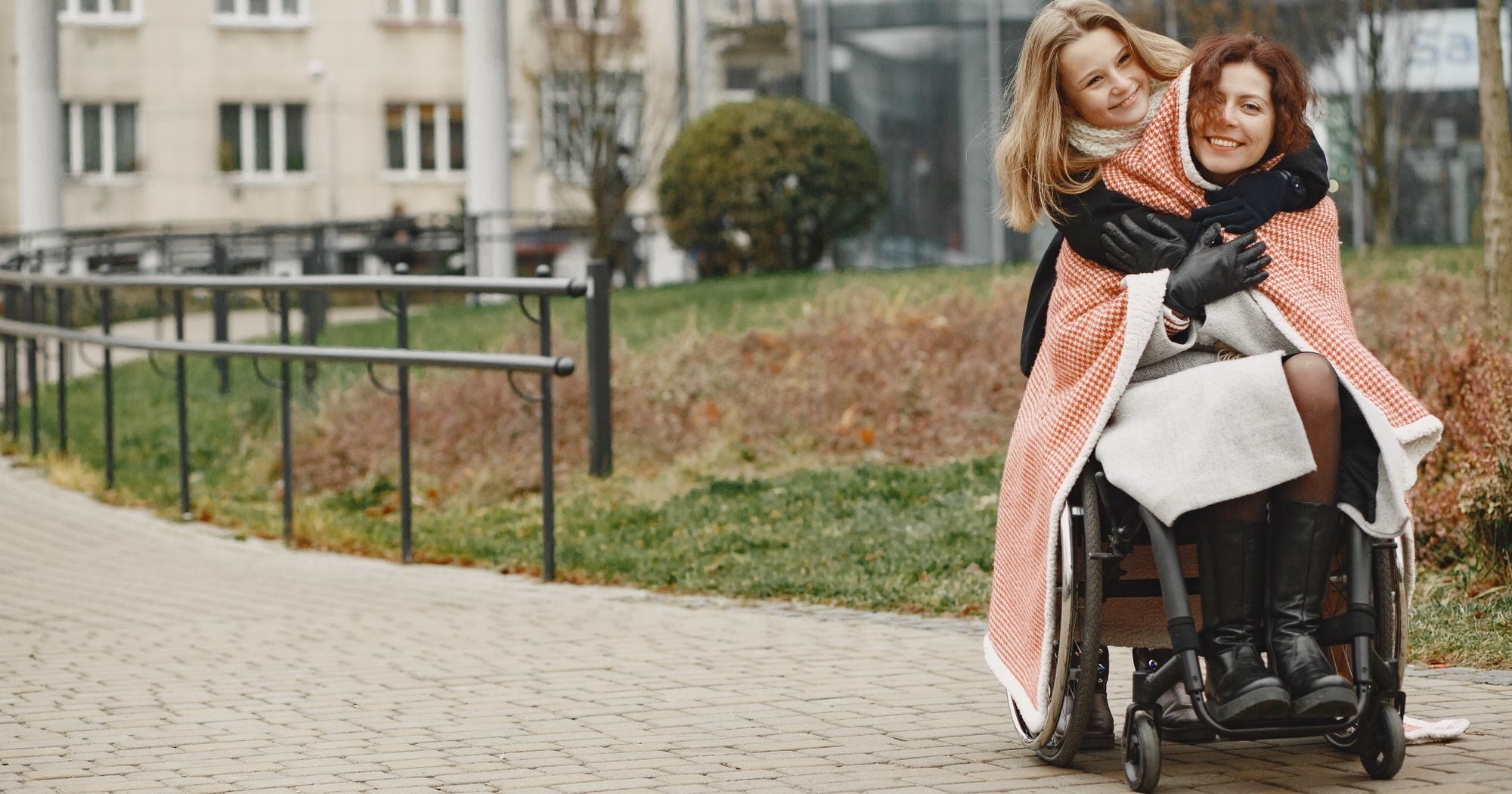
A spinal cord injury can change a life in an instant. Tasks that once happened without thought, like getting out of bed, buttoning a shirt, or making coffee, can suddenly feel out of reach. For many people and their families, the biggest question is not only about healing, but about what daily life will look like next. The encouraging truth is that independence is something that can be rebuilt, step by step, with the right support.
What Is a Spinal Cord Injury?
The spinal cord carries messages between the brain and the rest of the body. When it is damaged by trauma, such as a fall, a motor vehicle crash, or a sports injury, or by illness, those messages can be disrupted. The effects depend on where the injury occurs and how much of the cord is affected. Injuries are often described as complete or incomplete, and as involving the arms and legs (tetraplegia) or the legs and trunk (paraplegia).
Who Is Affected
Spinal cord injuries can affect people of any age, though they are most often seen in younger adults after accidents and in older adults after falls. Beyond the individual, the injury touches partners, parents, children, and friends, who often become part of the recovery team. Changes can include movement and sensation, but also bladder and bowel function, blood pressure regulation, pain, fatigue, and mood.
Why Independence Matters
Independence is not an all-or-nothing idea. It means having as much choice and control over your life as possible, whether that involves doing a task yourself, using a tool, or directing others in how you want things done. Research on rehabilitation consistently links active participation in daily life with better confidence, a stronger sense of purpose, and improved quality of life.
What the Evidence Says About Rehabilitation
Most recovery happens in the first months after injury, but studies show that people can continue to gain function and skill over time. Rehabilitation is built around task-specific practice, strengthening of the muscles that still work, and training in new ways of doing things. Occupational therapy focuses on daily activities such as dressing, grooming, eating, and managing the home. Speech therapy can help when an injury affects breathing, swallowing, or communication. Because the nervous system can adapt with repetition, consistent practice is a central part of most programs.
Equally important is emotional care. Depression and anxiety are common after a spinal cord injury, and they can affect motivation and recovery. Counseling and psychiatric support, along with case management to help coordinate services, are recognized parts of comprehensive rehabilitation.
Practical Steps Toward Independence
Every injury is different, so a plan should be personal. These general strategies are a helpful starting point to discuss with your care team:
- Set small, specific goals, such as dressing, transferring, or preparing a simple meal, and build from there.
- Practice new skills regularly, since repetition helps the nervous system and the body adapt.
- Ask about adaptive equipment and home modifications that can make daily tasks safer and easier.
- Protect your skin, bladder, and bowel health with a routine your care team has reviewed.
- Treat emotional health as part of recovery, and talk with someone when mood or stress feels heavy.
- Involve family or caregivers early so everyone understands the plan.
Supporting Caregivers and Families
Family members often learn transfers, skin checks, and equipment use alongside the person recovering. Caregivers also need rest, information, and emotional support of their own. Sharing responsibilities, asking questions, and connecting with community resources can prevent burnout and make home life more sustainable.
Taking the Next Step
Rebuilding independence takes patience, and no one should have to figure it out alone. Irvine Neuro Rehabilitation in Southfield, MI, offers occupational therapy, speech therapy, psychiatric care, counseling, and case management. If you or someone you love is adjusting to life after a spinal cord injury, call (248) 415-2500 or reach out through our contact page to talk about your goals.