
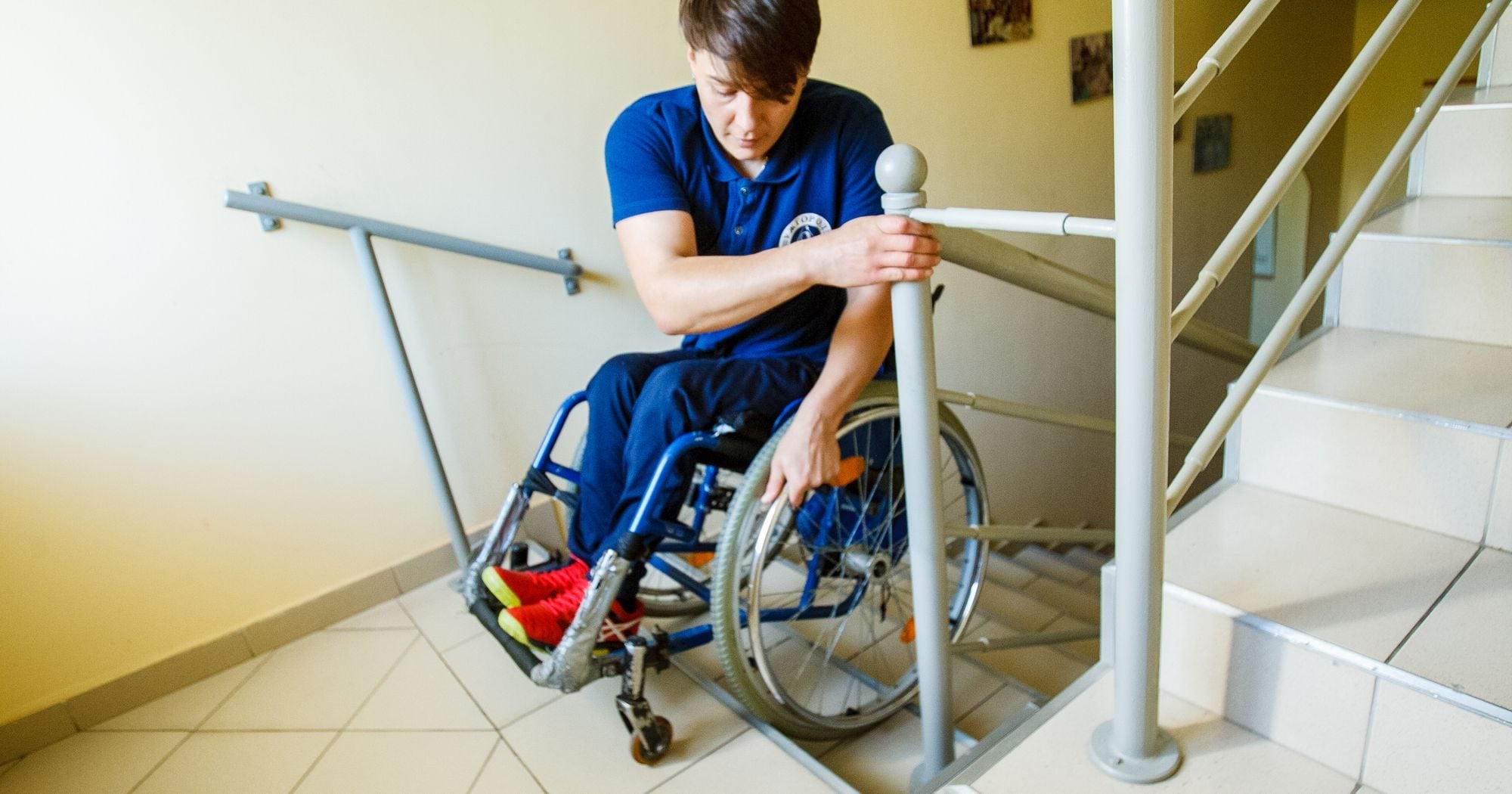
Buttoning a shirt. Making a cup of coffee. Writing a grocery list. For most people these tasks happen without a second thought, until an injury, stroke, illness or change in thinking makes each one a challenge. Losing ease in everyday routines can feel like losing a piece of yourself. Occupational therapy exists to help you get that piece back.
What Occupational Therapy Really Means
The word "occupation" in occupational therapy does not only mean a job. It refers to every meaningful activity that fills your day: self-care, household tasks, work, school, hobbies, parenting and social life. An occupational therapist evaluates how your body, thinking skills and surroundings work together, then builds a plan to help you do the things you need and want to do.
At Irvine Neuro Rehabilitation in Southfield, MI, our registered occupational therapists and occupational therapy staff work alongside physical therapy, speech therapy, nursing and counseling professionals.
Who Can Benefit
Occupational therapy is used across many situations, particularly when the nervous system is involved. People who may benefit include those recovering from:
- Stroke or other brain injury
- Concussion and its lingering effects
- Neurological conditions that affect movement or coordination
- Difficulties with memory, attention, planning or organization
- Weakness, fatigue or reduced hand function after illness or surgery
How Therapy Works
Care usually begins with an assessment of what you can do now, what is getting in the way, and what matters most to you. Goals are then set around real-life tasks rather than abstract exercises. Treatment may include:
Skill retraining. Practicing the actual steps of dressing, bathing, meal preparation or handwriting, with graded difficulty as you improve.
Strength, coordination and motor control. Activities that rebuild hand and arm function and balance during daily tasks.
Cognitive strategies. Tools such as checklists, routines, calendars and reminders that support memory, focus and problem solving.
Energy management. Pacing and planning so fatigue does not take over your day.
Adaptive methods and equipment. Different techniques, or simple tools, that make a task safer and easier.
Goals are then set around real-life tasks rather than abstract exercises.
What the Research Tells Us
The brain has a capacity called neuroplasticity: it can form new connections in response to experience and practice. Rehabilitation research consistently finds that repetitive, task-specific, meaningful practice supports recovery of function after neurological injury. Studies of stroke rehabilitation, for example, support intensive, goal-oriented training of everyday movements. Occupational therapy also has evidence behind it for improving self-care performance and reducing fall risk when home environments are assessed and adjusted. Results vary from person to person, and a clinician can help set realistic expectations for your situation.
The Emotional Side of Regaining Independence
Needing help with tasks you once did alone can bring frustration, grief or anxiety. These feelings are common and valid. Because emotional health and recovery influence each other, coordinated care that also considers mood, stress and coping can make therapy more effective. Our team includes our medical director, Dr. Theodore Ruza, DO, and licensed counselors, so support is not limited to the physical side of recovery.
Practical Tips You Can Start Today
- Name the three daily tasks that matter most to you, such as dressing, cooking or driving.
- Break big tasks into small steps and practice one step at a time.
- Set up your home so frequently used items sit between waist and shoulder height.
- Build in rest breaks before fatigue sets in, not after.
- Practice a little every day; short, regular sessions often beat long, rare ones.
- Bring family or caregivers into sessions so everyone uses the same strategies.
When to Seek Professional Help
Consider an occupational therapy evaluation if everyday tasks have become unsafe, exhausting or frustrating, if you or a loved one has had a neurological event, or if you notice changes in memory, coordination or daily function. Seek emergency care right away for sudden weakness, trouble speaking, facial drooping or severe headache.
Independence is rarely regained all at once; it returns one task, one routine, one small win at a time. If you would like to talk about where to begin, call Irvine Neuro Rehabilitation at (248) 415-2500.