
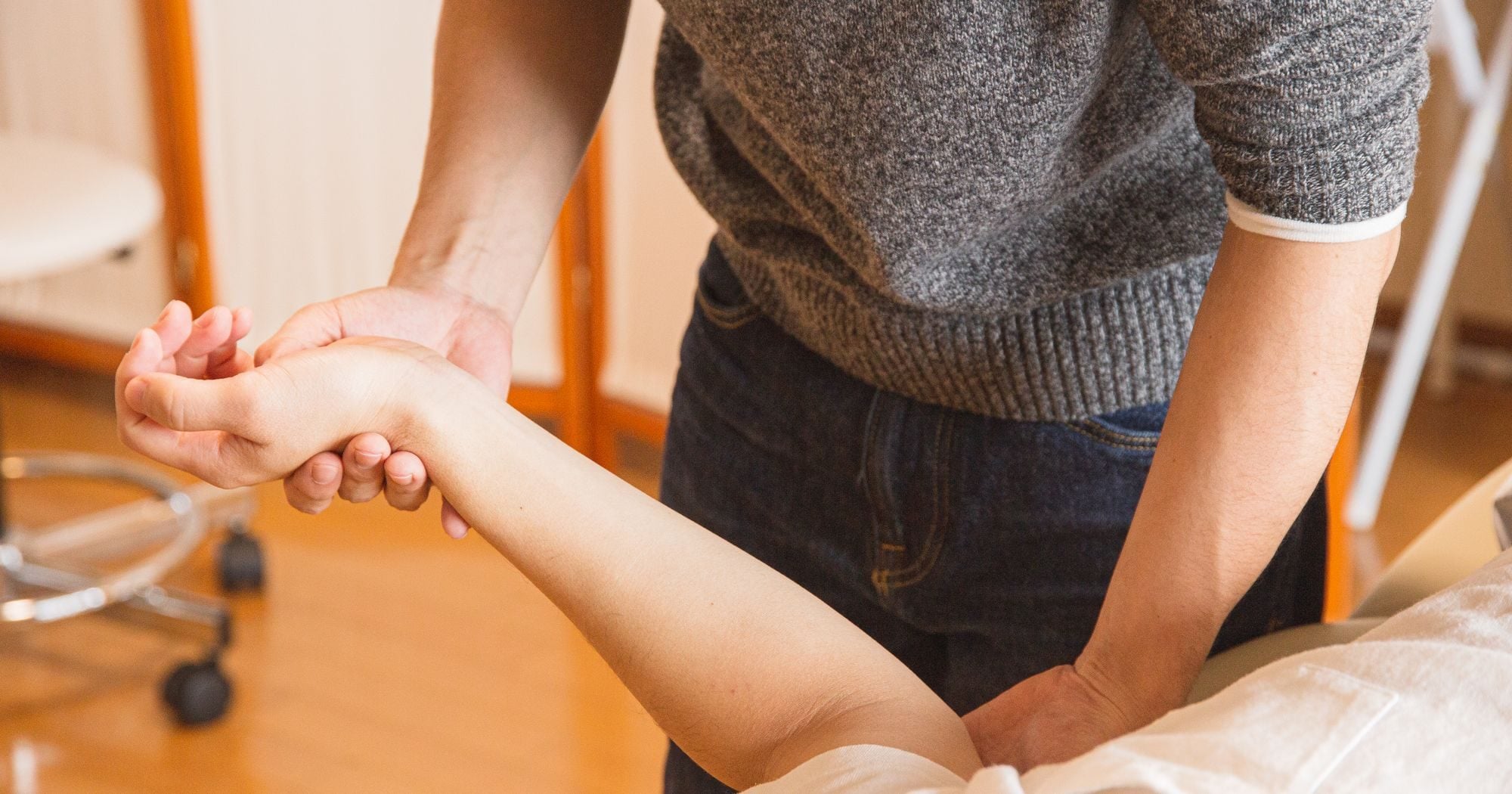
Think about how often you use your hands before you have finished breakfast. You grip a cup, open a container, fasten a button, and hold a phone. After a stroke, brain injury, or another neurological condition, these small acts can suddenly feel out of reach. The frustration and grief that follow are real, and they are understandable. The encouraging news is that the nervous system can adapt, and hand function can often improve with the right approach.
Why Neurological Injury Affects the Hands
The hands require some of the most precise coordination in the body. A large area of the brain is devoted to controlling finger movement and interpreting touch. When injury disrupts the pathways between the brain and the hand, the result can include weakness, stiffness, tremor, poor coordination, numbness, or difficulty sensing where the hand is in space.
These changes may follow a stroke, traumatic brain injury, spinal cord injury, or conditions such as multiple sclerosis and Parkinson disease. Each person's pattern is different, which is why a individualized evaluation matters.
How the Brain Relearns: Neuroplasticity
The brain is able to reorganize itself by forming new connections, a process known as neuroplasticity. Research on stroke rehabilitation consistently shows that recovery is driven by practice that is repetitive, task-specific, and challenging enough to require effort. Simply put, the brain tends to rebuild what it is asked to do again and again.
The brain tends to rebuild what it is asked to do again and again.
Recovery is usually fastest in the early weeks and months, but studies show that meaningful gains can continue well beyond that window when practice continues.
What Occupational Therapy Offers
Occupational therapists focus on helping people return to the activities that matter to them. For hand recovery, therapy commonly includes:
- Strengthening and range-of-motion exercises for the fingers, wrist, and arm.
- Fine motor and coordination practice, such as handling small objects.
- Sensory retraining to help the brain interpret touch and position.
- Strategies to manage stiffness or abnormal muscle tone.
- Adaptive tools and techniques that make daily tasks safer and easier.
Approaches such as constraint-induced movement therapy, mirror therapy, and task-oriented training have research support for certain people, and a therapist can help determine what fits your situation.
Practical Tips for Daily Life
Therapy sessions are only part of recovery. What you do between visits matters too. These general suggestions can support your progress, though your therapist should tailor them to you:
- Practice meaningful, everyday tasks such as buttoning, stirring, or turning pages.
- Use short, frequent practice sessions rather than one long session.
- Keep the affected hand involved in daily routines, even if progress feels slow.
- Protect the shoulder and wrist by supporting the arm with pillows or a table.
- Gently move and stretch the fingers daily to limit stiffness.
- Rest when fatigued, since tired muscles often compensate poorly.
The Role of Emotional Well-Being
Losing hand function can affect independence, work, and identity. It is common to feel discouraged, anxious, or isolated. Mood and motivation influence how consistently someone can practice, so emotional support is a real part of rehabilitation. Counseling, a supportive circle of family and friends, and a care team that looks at the whole person can all help.
When to Seek Professional Help
If you or someone you love is struggling with hand weakness, poor coordination, or changes in sensation after a neurological event, it is worth seeking a professional evaluation. Sudden new weakness, numbness, or trouble speaking requires emergency care, so call 911 right away. For ongoing recovery, Irvine Neuro Rehabilitation in Southfield, MI offers occupational therapy and related rehabilitation support. You can call us at (248) 415-2500 to ask about how we can help.