
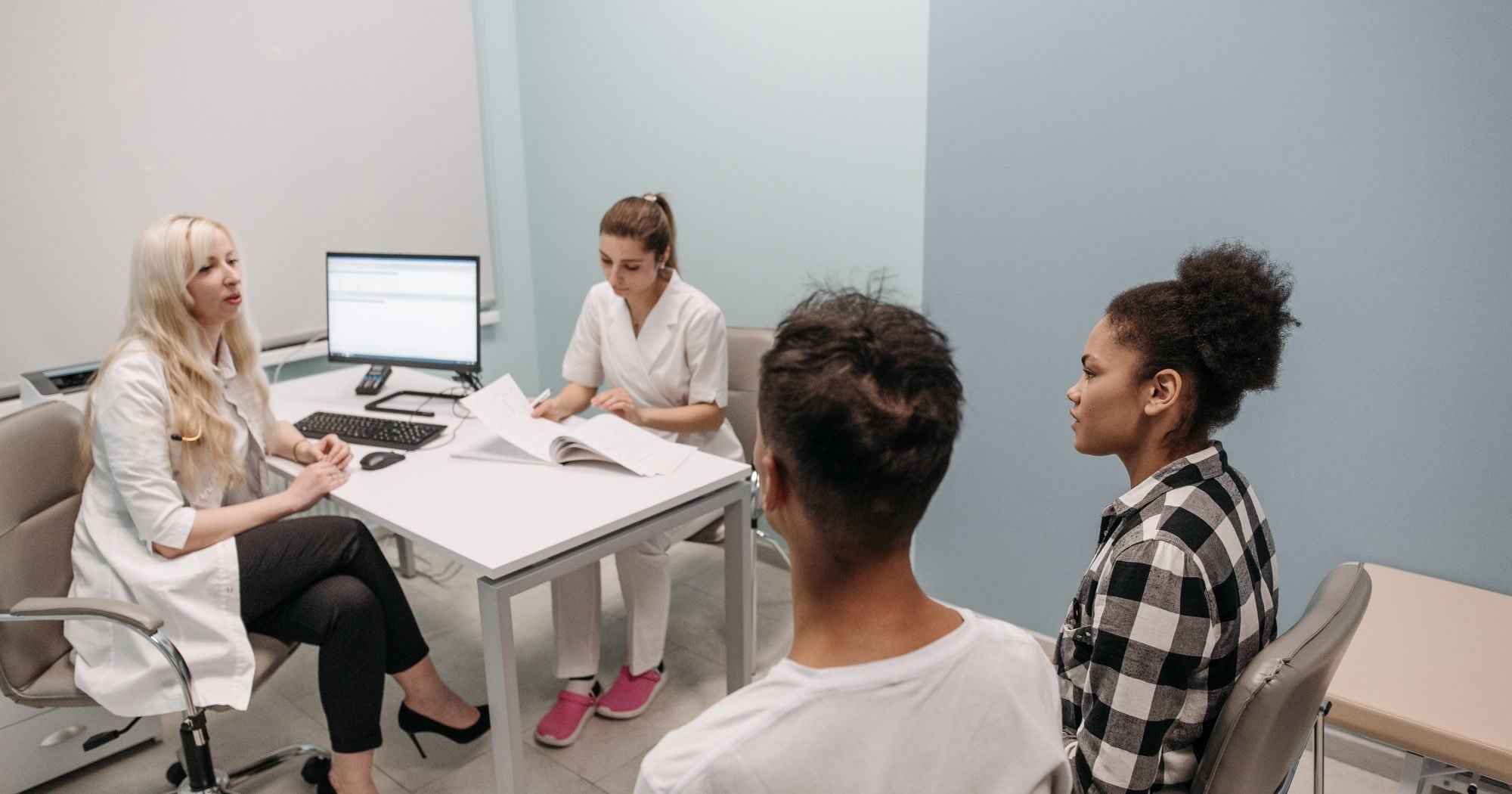
Recovery after a brain injury, stroke, or other neurological change can feel like learning a new language. There are new terms, new routines, and new people asking you questions. In the middle of it all, it is easy to nod along when you are unsure, or to stay quiet about something that is worrying you. Yet the way you talk with the people supporting your recovery can shape the care you receive every single week.
Why Communication Matters in Rehabilitation
Therapy is not something done to you; it is something built with you. Occupational therapy, speech therapy, counseling, case management, and psychiatric care all depend on understanding your goals, your daily challenges, and what is realistic for your life. Your therapists can observe a great deal in a session, but they cannot see your kitchen, your workday, or your nights. Only you and the people close to you can describe those.
Research on patient engagement in healthcare has consistently linked clear, two-way communication with better understanding of treatment plans, greater satisfaction, and stronger follow-through on home programs. In rehabilitation specifically, setting goals together with patients is a widely recommended practice because people tend to work harder toward outcomes that matter to them.
Who Benefits From Speaking Up
Everyone does, but it is especially important for people whose conditions affect memory, attention, language, or mood. If finding words is hard, or if you tire quickly in conversation, it can feel easier to say nothing. Family members and care partners are affected too. They often notice changes that you do not, and they carry questions of their own. A good therapy team welcomes their perspective.
Practical Ways to Communicate Better
You do not need medical vocabulary to be a strong partner in your care. Plain, honest descriptions are the most useful. Consider these habits:
- Write down your top three questions or concerns before each session.
- Describe your day-to-day experience, not only how you felt during the session.
- Tell your team when an exercise is too hard, too easy, painful, or confusing.
- Ask for instructions in writing or in a form you can review at home.
- Bring a family member or care partner when you want a second set of ears.
- Say so early if something is not working, including scheduling, goals, or medications.
Asking Questions That Get Useful Answers
Open questions often lead to the most helpful conversations. Instead of asking whether you are improving, you might ask, “What changes should I be watching for at home?” or “How will we know this strategy is working?” If a term is unfamiliar, ask for it to be explained in everyday words. A technique known as teach-back, where you repeat the plan in your own words, helps both sides confirm that nothing was lost in translation.
Sharing the Hard Things
Recovery is rarely a straight line. Frustration, sadness, anxiety, and fatigue are common after neurological events, and they can affect progress as much as physical or cognitive symptoms do. Telling your team about your mood, sleep, or stress is not complaining; it is giving them information they can act on. Because a team may include counseling and psychiatric support alongside therapy, concerns about emotional well-being can be raised and addressed as part of the same plan.
If you ever feel rushed, dismissed, or confused about your plan, say so. It is reasonable to ask for more time to review something or to revisit a goal that no longer fits.
Keeping Everyone on the Same Page
When several professionals support you, coordination matters. Let each person know about changes in medications, new symptoms, or appointments with other providers. A simple notebook or note on your phone, with dates, symptoms, and questions, can make every visit more productive and gives you a record of how far you have come.
Take the Next Step
You deserve care in which your voice is heard. If you or someone you love is looking for support with neurological recovery, Irvine Neuro Rehabilitation in Southfield, MI is here to talk. Call us at (248) 415-2500 or reach out through our contact page to ask your questions.