
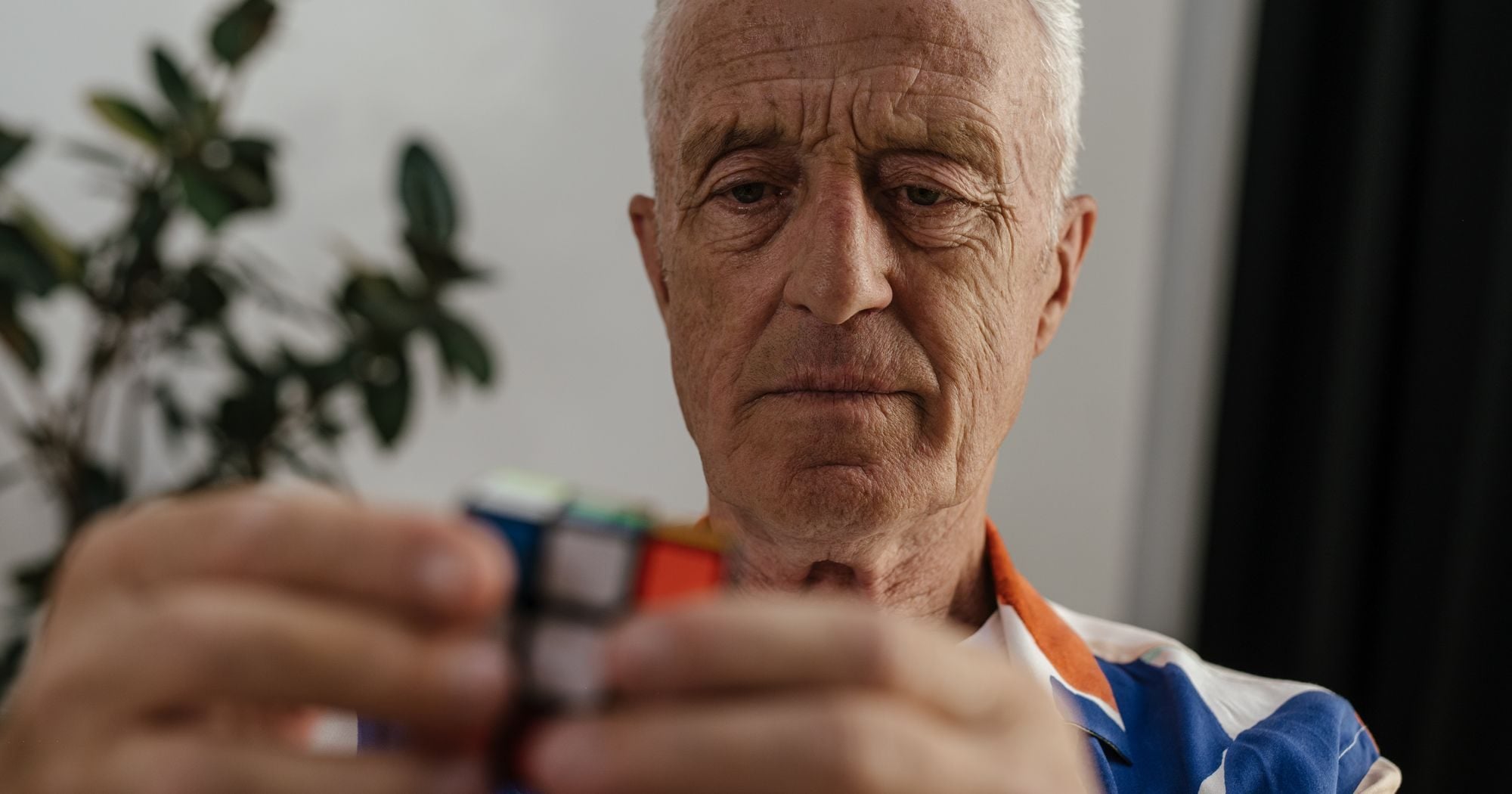
You may look the same as before, yet the simple things feel harder. Names slip away, conversations move too fast, and a routine morning suddenly takes planning. If you or someone you love is living with these changes after a brain injury, you are not imagining them, and you are not alone. Understanding what is happening is the first step toward feeling more in control.
What Are Cognitive Challenges?
Cognition describes the mental skills we use every day: paying attention, remembering, understanding language, solving problems, and organizing our time. A brain injury can disrupt the networks that support these skills. The result is often called a cognitive impairment, and it can range from subtle to severe depending on the injury.
Common changes include trouble with short-term memory, difficulty concentrating, slowed thinking, problems with planning and decision-making, and challenges finding words or following conversations.
Who Is Affected?
Cognitive difficulties can follow many types of brain injury, including traumatic injuries from falls, vehicle collisions, or sports, as well as strokes, oxygen deprivation, infections, and tumors. They can affect people of any age. Even a concussion, often called a mild injury, can cause lingering problems with thinking for some people.
Why These Changes Matter
Cognitive changes are often less visible than physical ones, which can make them easy for others to overlook. Yet they affect nearly every part of life: returning to work or school, managing money and medications, driving safely, and keeping relationships strong. Frustration, anxiety, low mood, and fatigue frequently accompany these changes, and each can make thinking harder in a cycle that feels discouraging.
What the Research Tells Us
The brain has a capacity called neuroplasticity, the ability to form new connections and reorganize in response to experience. Research on cognitive rehabilitation suggests that structured, goal-focused therapy can help people improve everyday function and learn compensatory strategies, particularly when it is practiced regularly and tied to real-life tasks. Most improvement tends to occur in the early months after injury, but many people continue to gain skills well beyond that period.
Because brain injury affects each person differently, effective care usually involves several disciplines working together. Occupational therapy can focus on daily routines and independence, speech therapy can address memory, language, and communication, and psychiatric and counseling support can address mood, stress, and adjustment.
Practical Strategies for Daily Life
Small habits can lighten the mental load. Consider these approaches:
- Keep one calendar or planner and check it at the same times each day.
- Break tasks into small, clear steps and finish one before starting another.
- Reduce distractions: turn off the television, silence notifications, and work in a quiet room.
- Schedule demanding tasks for the time of day when you feel most alert.
- Build rest breaks into the day, since mental fatigue can make every symptom worse.
- Use phone alarms, labeled storage, and checklists for medications and routines.
Supporting a Loved One
Family and caregivers play a major role. Speak in short, clear sentences, allow extra time to respond, and avoid correcting every mistake. Celebrate small gains, and remember that irritability or withdrawal may be part of the injury rather than a choice. Caregivers also need rest and support of their own.
When to Seek Professional Help
If memory, attention, or thinking problems are interfering with daily life, or if they seem to be getting worse, it is worth speaking with a medical professional. Sudden new symptoms such as severe headache, confusion, weakness, or trouble speaking require emergency care. For ongoing concerns, a personalized evaluation can clarify what is happening and shape a plan. Irvine Neuro Rehabilitation in Southfield, MI, can be reached at (248) 415-2500 to discuss your questions.