
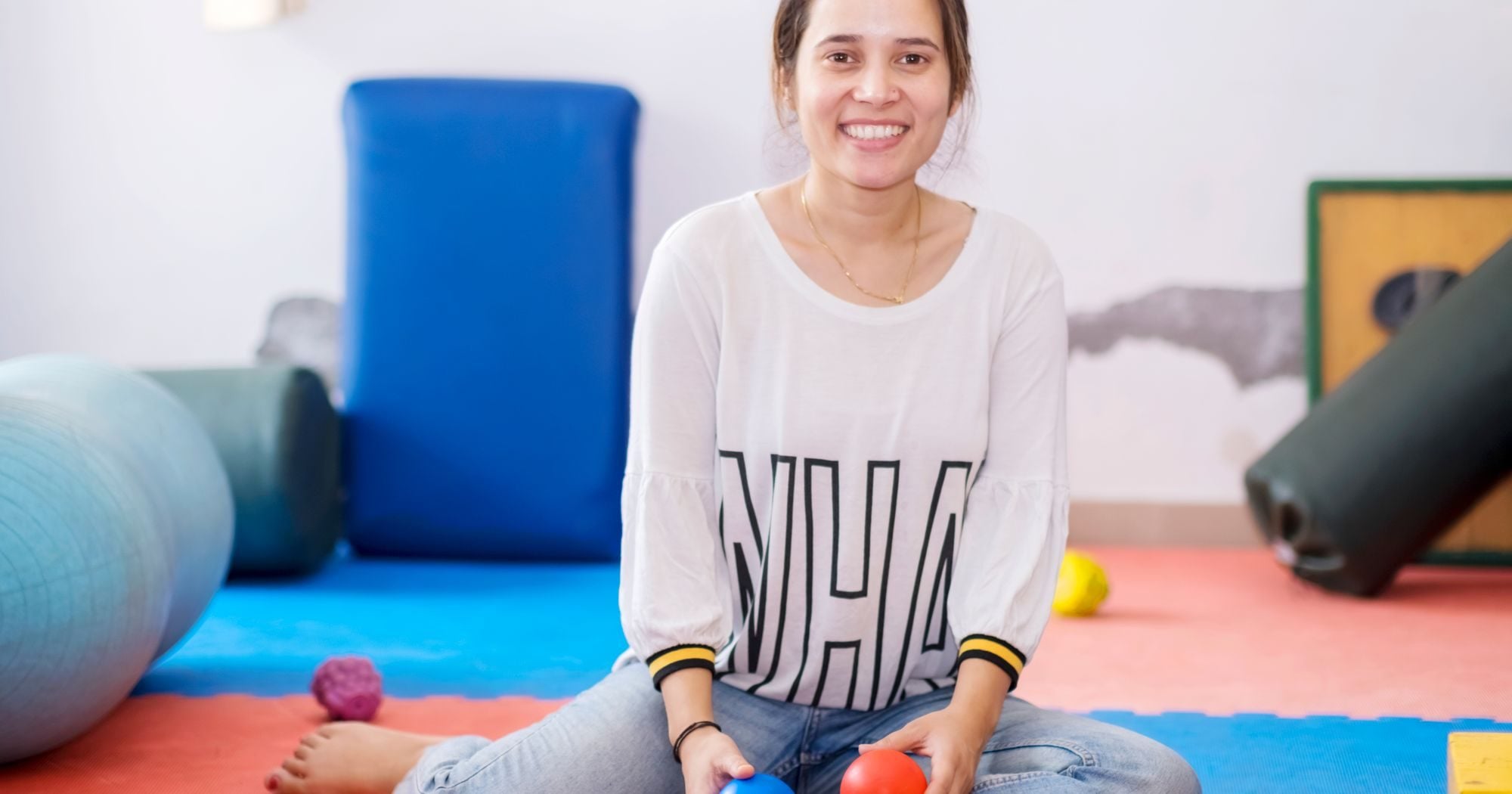
When a child is diagnosed with cerebral palsy, families often ask one question first: what will life look like? The honest answer is that cerebral palsy is a lifelong condition, but it is not a story that stops growing. With thoughtful, changing goals, people with cerebral palsy build skills, protect their health, and shape lives that are full and their own.
What Cerebral Palsy Is
Cerebral palsy is a group of conditions caused by differences or injury in the developing brain, usually before or around birth or in early childhood. It affects muscle tone, posture, coordination and movement. Many people also experience related challenges such as speech and swallowing difficulty, vision or hearing differences, epilepsy, learning differences, or pain. The brain condition itself does not progress, but how it affects the body can change over time.
Who It Affects
Cerebral palsy is among the most common causes of motor disability in childhood. It ranges from mild, where someone may have a slight limp or difficulty with fine motor tasks, to severe, where mobility, communication and daily care need substantial support. Because each person is different, a therapy plan should be built around the individual rather than the diagnosis label.
Why Goals Must Change Over Time
Needs shift with each stage of life. Early on, therapy often focuses on development: rolling, sitting, walking, play, feeding and first words. In school years, goals may turn to handwriting, mobility at school, communication tools, and participation with peers. In adolescence and adulthood, priorities often become independence, work, relationships, fitness and managing fatigue.
Later in adulthood, many people notice new pain, stiffness, joint wear, or declining endurance earlier than expected. Muscles that work harder to move can tire sooner. Planning for these changes, rather than reacting to them, helps preserve function for longer.
Needs shift with each stage of life.
What the Evidence Suggests
Research supports goal-directed, task-specific training, where practice centers on activities that matter to the person. Strength training, once avoided out of concern for increasing spasticity, is now widely recognized as safe and helpful. Early intervention takes advantage of the brain's high adaptability in young children, but studies also show that adolescents and adults can still improve strength, walking efficiency and skills with focused practice.
Occupational therapy supports daily activities and hand function, while speech therapy addresses communication, language and swallowing. Medical oversight can address spasticity, mood, sleep and pain. A coordinated approach tends to work better than any single treatment alone.
Practical Steps for Lifelong Planning
- Write down goals that matter to daily life, such as dressing, cooking, typing, or speaking with friends.
- Revisit goals at major transitions: starting school, entering adulthood, changing jobs, or moving homes.
- Track changes in pain, fatigue, balance, swallowing or speech, and report them early.
- Build movement into every week, because consistency matters more than intensity.
- Include family members and caregivers in planning so strategies carry over at home.
Supporting Emotional Well-Being
Living with a lifelong condition can be tiring for individuals and families alike. Anxiety, low mood and caregiver strain are common and deserve care too. Counseling, peer support and realistic pacing of goals can protect motivation. Celebrating small gains, like a longer walk or a clearer sentence, keeps progress visible.
Take the Next Step
Whether you are planning for a child, supporting a loved one, or living with cerebral palsy yourself, revisiting your goals with a professional team can bring clarity. Irvine Neuro Rehabilitation in Southfield, MI provides specialty medical care with occupational therapy, speech therapy, psychiatry and counseling support. Call (248) 415-2500 to talk about what comes next.